
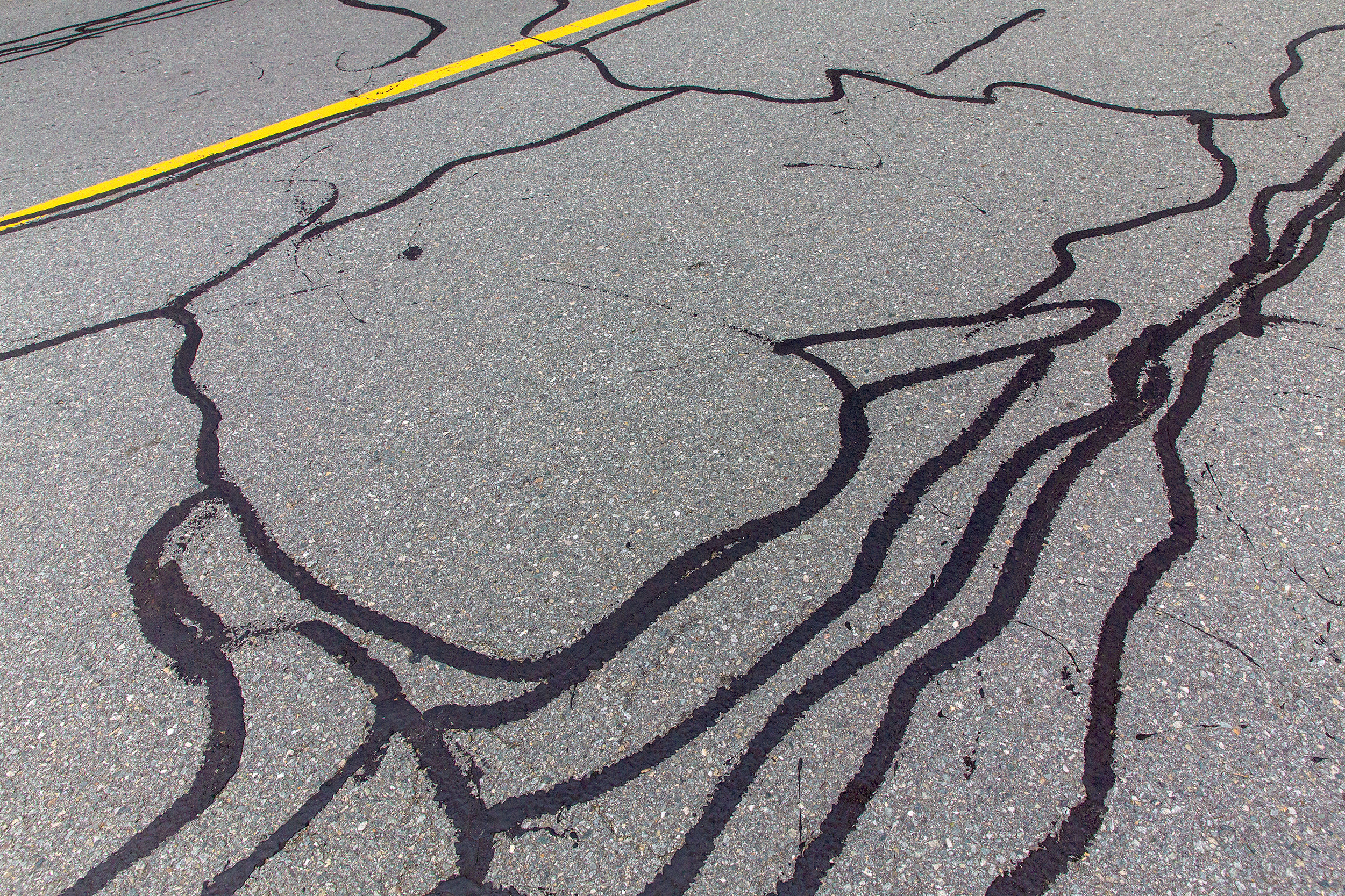
Spring should be a welcome break after months of snow and ice, but for asphalt pavements, it can be the most damaging season of the year. Many property owners notice that small cracks turn into big problems right when temperatures warm up. If you manage a parking lot or driveway in Milwaukee County, you have likely seen this firsthand. This blog explains why cracks worsen in spring, what you can do about it, and how asphalt crack filling Hales Corners can protect your pavement fast.
asphalt crack filling Hales Corners: Discover why spring worsens pavement cracks and how to stop damage fast. Get expert tips and book your free estimate today.
What Spring Weather Does to Asphalt
Asphalt is flexible and strong, but it is not immune to changing weather. In Wisconsin, winter and spring bring repeated cycles of freezing and thawing, plenty of moisture, and wide temperature swings. Each factor plays a role in making small cracks spread faster after winter.
Freeze and Thaw Creates Hidden Pressure
Moisture seeps into small cracks during winter. When temperatures drop, that water freezes and expands. Expansion pushes against the walls of the crack and opens it wider. When the sun comes out or temperatures warm slightly, the ice melts and the crack relaxes a bit. This process repeats many times through late winter and early spring. With each cycle, the crack grows, the edges weaken, and more water can get inside.
Water Weakens the Base
As cracks open, water runs through the asphalt and reaches the base layers. Those layers are designed to stay dry and support traffic. When they get saturated, they lose strength. The next time a vehicle passes over that spot, the surface can flex more than it should. That movement separates more aggregate, widens the crack, and starts to form potholes.
Rapid Temperature Swings Stress the Surface
Spring in Southeast Wisconsin is known for big swings between chilly mornings and mild afternoons. Asphalt expands with heat and contracts with cold. Repeated movement weakens the bond between the asphalt binder and the aggregate. When those bonds loosen near a crack, the crack spreads along that weak point. The result is longer, wider cracks that are harder to seal.
Deicing Chemicals and Plow Damage Add Up
Sand and salt help keep roads clear in winter. But abrasives can grind the top layer of pavement. Plow blades can also nick high spots and expose edges around existing cracks. In spring, the added wear and exposed edges make cracks easier to widen under traffic.
Spring Moisture and Sunlight Finish the Job
Once the snow melts, spring rain keeps feeding water into unsealed cracks. The strong spring sun softens the asphalt on warm days, which makes the edges less stable. Moisture below and warmth above is the perfect setup for crack growth, raveling, and the start of alligator cracking.
Why Small Cracks Turn Into Big Headaches Fast
Most cracks start small. If they are sealed quickly, they stay stable. If they are left open through winter and into spring, they can grow quickly and lead to costly repairs. Here is how that progression happens on many local pavements.
From Hairline to Pothole: A Quick Timeline
- Hairline cracks let in fine dust and water. Freeze-thaw opens them wider.
- Wider cracks collect more water, which softens the base and reduces support.
- The surface starts to move under tires, which leads to raveling around the crack.
- Cracks intersect and form alligator cracking. Pieces break loose under traffic.
- Once a chunk comes out, a pothole forms and grows with every rainfall.
Stopping this chain reaction early is the core goal of asphalt crack filling Hales Corners. Sealing cracks in spring reduces water entry, stiffens the area around the crack, and prevents rapid growth.
Traffic Loads Hit Harder After Thaw
When frost leaves the ground, the base below your asphalt is temporarily weaker. Even normal traffic can stress the softened support layers. Heavy delivery trucks or garbage trucks are especially tough on edges and joints right after thaw, which is another reason spring is a high-risk time.
Drainage Makes a Big Difference
Pavements that do not drain well face more damage. Low spots collect water. Clogged catch basins or downspouts that spill onto asphalt concentrate runoff in one location. In Hales Corners neighborhoods, spring melt and rain often run across driveways and parking lots. If cracks are open, that water will find its way into the base.
Signs You Need Immediate Crack Repair
Watch for these common warning signs in late winter and early spring. If you see them, schedule asphalt crack filling Hales Corners before the next heavy rain.
- Long straight cracks along the direction of traffic that are wider than a pencil
- Block cracks that form a grid pattern on aging asphalt
- Alligator cracking that looks like a reptile skin patch
- Edge cracks near curbs or along the sides of drive lanes
- Cracks along joints or seams from older repairs
- Raveling where fine particles shed and the surface turns rough
- New potholes or soft spots after a freeze-thaw cycle
The earlier you call Asphalt Contractors, the less likely you are to face costly full-depth patching later. Our crews can evaluate your pavement and complete crack filling before damage spreads.
Crack Filling vs. Crack Sealing: What Is the Difference?
People often use the terms interchangeably, but they are not the same. Crack filling typically uses a hot-applied rubberized material to fill non-working cracks. It stops water from entering and stabilizes the edges. Crack sealing is used for working cracks that expand and contract through the seasons. It involves a more elastic sealant and sometimes a different application method to allow for movement. In practice, many commercial lots in Hales Corners benefit from a blend of methods based on the cracks present. Asphalt Contractors will recommend the right approach after inspection.
Our Professional Crack Filling Process
Quality application is just as important as the material you choose. Asphalt Contractors Inc. follows a proven, step-by-step process to make sure your repair lasts through the next winter and beyond.
How We Repair Cracks
- Inspection and mapping: We walk the site, mark crack types and priority areas, and note drainage issues.
- Routing when needed: For certain cracks, we create a clean reservoir so the sealant bonds to sound edges.
- Thorough cleaning: We remove dust, debris, and moisture using mechanical brooms, blowers, and hot air.
- Heat conditioning: A heat lance preheats the crack so the sealant adheres to dry, warm surfaces.
- Hot pour application: We install a rubberized sealant at the correct temperature for deep penetration.
- Tooling and finish: We squeegee the surface for a level finish and apply a detack agent or sand where needed.
- Curing and traffic control: We allow proper set time before reopening lanes or stalls.
This process locks out water, bonds to the crack walls, and holds up to daily traffic. When conditions are right, crack filling can be followed by sealcoating in the same season to add an extra layer of protection.
Why Spring Timing Matters
Spring is a smart time for asphalt crack filling Hales Corners because crews can reach the cracks before heavy rains saturate the base. Temperatures are also favorable for adhesion. Early action reduces the chance of potholes forming when traffic increases in warmer months. Waiting until midsummer may let problems get worse and can raise repair costs.
Why Choose Asphalt Contractors for Hales Corners
Asphalt Contractors Inc., established in 1979 and based in Union Grove, Wisconsin, brings more than four decades of paving and maintenance experience to every job. We serve Southeast Wisconsin, including Hales Corners and the rest of Milwaukee County, as well as Racine, Kenosha, Walworth, and Waukesha counties. Here is why local property managers and homeowners trust us for asphalt crack filling Hales Corners.
- Full-service expertise: We handle paving, crack repair, sealcoating, patching, milling, concrete, and more, so you get the right fix, not a one-size-fits-all approach.
- We manufacture our own asphalt: Control over materials leads to consistent quality and cost savings for our clients.
- Proven process and equipment: From heat lances to hot kettles, our tools and methods meet industry standards and local climate demands.
- Certified crews: Trained professionals perform the work correctly the first time to reduce call-backs and downtime.
- Local knowledge: Decades of experience with Wisconsin freeze-thaw cycles help us select materials that last.
- Clear communication: We stage work to limit disruption, keep you updated, and deliver neat, safe job sites.
With Asphalt Contractors on your side, you get practical solutions that match your pavement condition and budget. We do not oversell. We build long-term value into every project.
Prevent Future Damage With a Simple Plan
The best way to avoid major repairs is to stop water from getting below your surface and to keep the top layer healthy. A simple plan can extend the life of your parking lot or driveway by many years.
Recommended Maintenance Schedule
- Inspect each spring and fall for new cracks, edge damage, and drainage issues.
- Schedule asphalt crack filling Hales Corners every year or two, depending on traffic and weather exposure.
- Sealcoat about every two to three years to shield against UV, water, and chemicals.
- Fix drainage problems by cleaning basins, extending downspouts, or adjusting grades.
- Patch potholes quickly to stop water from reaching deeper layers.
- Plan for resurfacing when a large area shows alligator cracking or widespread raveling.
Easy Spring Checklist for Property Owners
- Walk the lot after snowmelt and mark any new cracks or depressions.
- Check that water flows to drains and away from entries and seams.
- Remove leftover sand and debris that can block drains and hold moisture.
- Call Asphalt Contractors for a site assessment and a free estimate.
- Schedule crack filling before the first series of heavy spring storms.
FAQs About Asphalt Crack Filling in Hales Corners
When is the best time to fill asphalt cracks in Hales Corners?
Spring and early summer are ideal. Temperatures are usually warm and dry, which helps the material bond. Acting early also limits water entry during wet spring weather. If needed, Asphalt Contractors can work in late fall as long as conditions meet material requirements.
How long does crack filling last?
Service life varies with traffic, weather, and crack movement. On well-drained lots with routine maintenance, quality crack filling can perform for several seasons. Annual inspections let us address new openings before they turn into larger repairs.
Do I still need sealcoating after crack filling?
Sealcoating is a smart companion to crack filling. It protects the top layer from UV, water, and chemicals. Many clients schedule sealcoating later in the same season or the following year. Asphalt Contractors can help you plan the right timing for your site.
What types of cracks can be filled?
Most non-working cracks can be filled. That includes longitudinal, transverse, and block cracks. Working cracks that open and close with temperature changes are often sealed with materials that allow more movement. During your estimate, we label crack types and pick the right method.
Will crack filling stop potholes?
Crack filling is one of the best ways to prevent potholes because it blocks water from weakening the base. If a pothole has already formed, we will recommend patching along with sealing nearby cracks to prevent it from returning.
Can you work around my business hours?
Yes. Asphalt Contractors stages work to reduce disruption. We can phase large lots, work off-peak hours, and keep sections open for customers and staff whenever possible. We also post clear signage to keep your site safe during the project.
How much does asphalt crack filling cost?
Pricing depends on crack quantity, width, routing needs, and site conditions. It is far less expensive than patching or resurfacing. Asphalt Contractors offers clear, competitive estimates. We also own and operate our asphalt plant, which helps us control overall project costs for clients.
Your Next Step: Book asphalt crack filling Hales Corners Today
If you see new cracks after winter, act before the next storm. Spring weather will only make open cracks worse. Asphalt Contractors makes it easy to protect your investment with fast, professional asphalt crack filling Hales Corners. Our team has served Southeast Wisconsin since 1979 with proven methods, quality materials, and a focus on long-term performance.
Contact Asphalt Contractors for a free on-site assessment and estimate. We will walk your pavement, explain the best options, and schedule work at a time that fits your operations. Stop spring damage in its tracks and keep your lot looking clean, safe, and professional all year long.
Serving Hales Corners and nearby communities across Milwaukee, Waukesha, Racine, Kenosha, and Walworth counties, Asphalt Contractors is your trusted partner for asphalt crack filling Hales Corners, sealcoating, patching, and complete paving services. Let our experienced, local team help you get more life from your pavement.
Spring does not have to be hard on your asphalt. With timely inspections, smart maintenance, and the right contractor, you can protect your surface and avoid surprise repair bills. Reach out to Asphalt Contractors now, and put a stop to crack growth before it becomes a bigger problem.