What Are Spiderweb Cracks and Alligator Cracking?
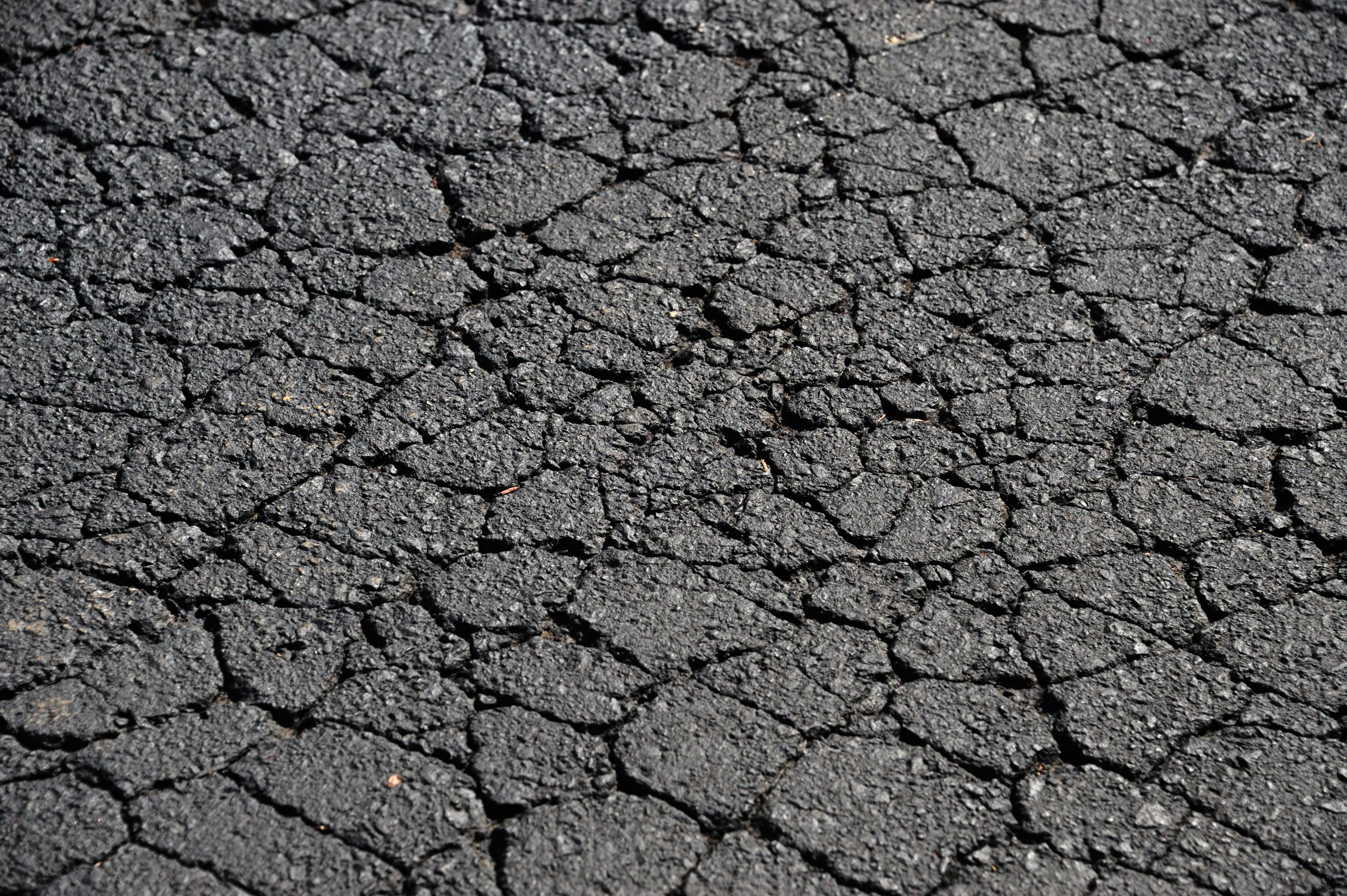
Spiderweb cracks, often called alligator cracking or fatigue cracking, look like a web or scales on your driveway or parking lot. These interconnected cracks signal that the asphalt surface or the layers beneath it are under stress. While a few hairline lines might seem like a small cosmetic issue, a spreading web pattern usually points to a deeper problem with the base, drainage, or the age of the pavement.
Alligator cracking is different from simple linear cracks. Straight lines that run across a lot may be from temperature shifts. Larger square patterns can be block cracking from aging. A spiderweb pattern that flexes under weight or crumbles at the edges is a red flag for structural distress. If you live or work in Waukesha, tackling these cracks quickly protects your investment and keeps people and vehicles safe.
Why Spiderweb Cracks Form in Wisconsin Pavements
Aging and Oxidation
As asphalt ages, sunlight and oxygen dry out the binder that holds the mix together. The surface turns brittle and loses flexibility. When vehicles drive over a brittle surface, it cannot flex and rebound like it did when it was new. The result is a fine network of cracks that slowly widens into an alligator pattern. Without sealing or resurfacing, these cracks invite water in and speed up failure.
Moisture and Drainage Problems
Water is the enemy of asphalt. When rain or snowmelt seeps through the surface, it weakens the base and subgrade. Pooled water or clogged drains allow moisture to sit under the pavement. As vehicles pass over those soft spots, the asphalt flexes too much and begins to crack in a web shape. In Southeast Wisconsin, repeated freeze-thaw cycles expand trapped water and pry cracks open even more.
Subgrade and Base Failure
The layers below your asphalt have a big job. They spread out loads and provide a stable platform. If the base was not compacted well, or if the soil beneath it is weak, the pavement can sink or flex. That movement shows up at the surface as alligator cracking. Think of it like a mattress with a broken spring. The top fabric did not fail first. The support did.
Heavy Traffic and Loads
Drive lanes, dumpster pads, delivery zones, and bus routes take more punishment than other areas. Repeated heavy loads cause fatigue in the asphalt over time. If the pavement thickness and base were not designed for that traffic, the surface will crack in a web pattern long before the rest of the lot shows age.
Thin or Poorly Compacted Pavement
Asphalt that was placed too thin or compacted poorly during installation is more likely to crack early. Thin mats cool quickly, which can prevent proper bonding. Low compaction leaves tiny voids that invite moisture and reduce strength. Over a few seasons, those hidden flaws turn into visible spiderweb cracking.
Freeze-Thaw and Weather Stress
Waukesha winters are hard on pavement. Water finds small openings, freezes, and expands. Spring thaws saturate the base. Summer heat softens oxidized asphalt. These cycles push and pull the pavement daily. If the surface is not protected with timely maintenance, alligator cracking often appears along with potholes.
Asphalt Mix and Installation Quality
Not all asphalt mixes are the same. A poor mix design, the wrong aggregate size, or a binder grade that does not match local conditions can shorten pavement life. Installation also matters. Joints, edges, and transitions are common weak points. Contractors that control their materials and invest in skilled crews produce longer lasting pavements with fewer cracking issues.
How to Tell if It Is Cosmetic or Structural
You can make a quick field check before you call a contractor. Look for these signs:
- Crack depth: Hairline surface cracks may be sealed. Cracks that widen or connect across a large area often mean base problems.
- Movement under load: If the area pumps water, flexes, or crumbles when a vehicle passes, it is structural.
- Location: Web cracks in drive lanes, near loading docks, or around catch basins often relate to heavy loads or drainage.
- Moisture: Persistent damp spots or ponding point to poor drainage and likely base damage.
- Edge condition: Raveling, loose stones, or small chunks breaking away mark advancing deterioration.
- Age of surface: If the pavement is near the end of its typical life and maintenance has been minimal, deeper repair is likely.
If you notice two or more of these conditions, schedule a professional assessment. Early action can stop more expensive damage.
Alligator Cracking Repair Waukesha: Your Options
There is no single fix for every cracked surface. The right solution depends on the cause, location, and severity. Here are proven repair methods we use for alligator cracking repair Waukesha property owners trust:
Crack Sealing and Surface Sealing for Minor Webbing
If the cracking is light and mostly on the surface, routing and hot rubber crack sealing can block water and extend life. A follow-up sealcoat adds protection and improves appearance. This is a budget-friendly option for early stage distress that has not reached the base.
Remove and Replace for Localized Distress
When spiderweb cracks are confined to a small area, a cut-out and patch is effective. We saw cut the perimeter, remove weak asphalt, evaluate and repair the base, and place new hot mix asphalt. This targets the cause and restores smoothness without resurfacing the entire lot.
Mill and Overlay for Widespread Surface Fatigue
If the base is stable but the surface is worn, milling one to two inches and placing a new overlay is a smart fix. Milling removes cracked material and surface oxidation. The new overlay bonds to the sound layer below and renews ride quality and appearance.
Full-Depth Reclamation or Reconstruction for Base Failure
When cracks cover large sections and the base is compromised, the most durable solution is to rebuild. Full-depth reclamation pulverizes the asphalt and blends it with base materials for a stronger foundation. After grading and compaction, we pave new asphalt at the right thickness. This approach addresses the root cause and yields a long service life.
Drainage and Grade Corrections
No repair lasts if water is trapped. We check slopes, adjust catch basins, add underdrains if needed, and correct soft subgrade areas. Proper drainage protects your investment and greatly reduces the chance of new spiderweb cracks.
Protective Maintenance After Repair
After structural fixes, a maintenance plan matters. Regular crack sealing and periodic sealcoating lock out water and slow oxidation. Fresh striping improves safety and curb appeal. This routine care often doubles the effective life of a repaired lot.
Our Process at Asphalt Contractors
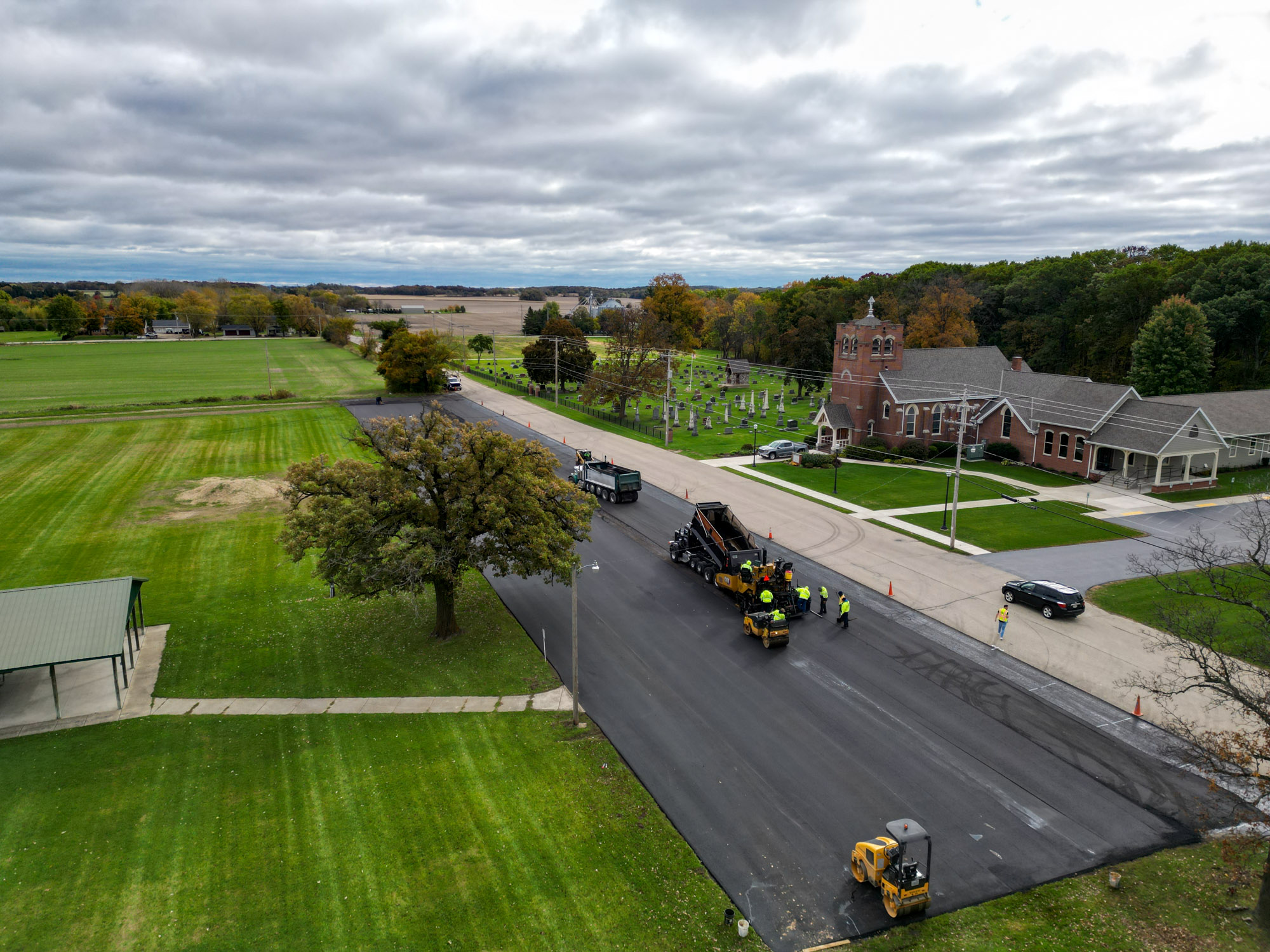
Asphalt Contractors Inc. has served Southeast Wisconsin since 1979. Our team brings certified expertise, modern equipment, and our own asphalt manufacturing to every job. Whether you need a small patch or full reconstruction, our process delivers predictable quality.
- Site inspection: We walk the pavement, document conditions, and identify drainage issues and traffic patterns.
- Testing and measurement: When needed, we check asphalt thickness and evaluate the base to confirm the cause of cracking.
- Customized plan: We propose the right blend of crack sealing, patching, milling, or reconstruction to match your goals and budget.
- Transparent estimate: You receive a clear scope with quantities, materials, and timeline so you know exactly what to expect.
- Scheduling: We phase work to limit downtime and keep your property accessible and safe.
- Execution: Our crews use industry best practices and top-tier equipment for compaction, drainage, and finishing.
- Quality check: We verify slopes, density, and smoothness, then walk the site with you for final approval.
Because Asphalt Contractors manufactures asphalt locally, we control mix design and temperature from the plant to your site. That level of control improves compaction, durability, and cost-efficiency.
Why Choose Asphalt Contractors in Waukesha County
- Local experience since 1979: We understand Wisconsin weather, soils, and traffic demands.
- Full-service capabilities: Paving, milling and pulverizing, site preparation, concrete construction, specialty services, and crushing under one roof.
- In-house asphalt: Consistent mix quality and faster response times for repairs and overlays.
- Certified crews and equipment: From saw cutting to rollers and pavers, we use the right tools for long-lasting results.
- Clear communication: You get updates, photos, and schedules so there are no surprises.
- Safety and compliance: We follow best practices for traffic control, site cleanliness, and environmental protection.
- Service area coverage: We serve Waukesha, Milwaukee, Racine, Kenosha, and Walworth counties with quick mobilization.
Preventing Spiderweb Cracks After Repair
Once your pavement is restored, a few simple habits help keep it that way. Prevention is easier and more affordable than major repairs later.
- Annual inspection: Walk the lot each spring and fall. Mark new cracks, ponding, and soft areas.
- Prompt crack sealing: Seal active cracks before winter to block water infiltration.
- Sealcoating schedule: Apply a quality sealcoat every two to three years based on traffic.
- Drainage upkeep: Keep catch basins clean. Address standing water quickly.
- Load management: Use thicker sections or concrete pads for dumpsters and heavy delivery zones.
- Snow and ice care: Use proper plow blades and deicers recommended for asphalt to avoid surface damage.
- Edge support: Do not drive off the edges. Add shoulder stone where needed to prevent edge breakup.
Common Questions About Alligator Cracking
Is alligator cracking the same as spiderweb cracking?
Yes. Many people use the terms spiderweb, alligator, or fatigue cracking to describe the same interlaced pattern. The pattern forms when the pavement or base layers are stressed and can no longer flex properly.
Can sealcoating fix alligator cracks?
Sealcoating protects asphalt from oxidation and water, but it is not a structural repair. It can help with light surface aging. If the cracks are interconnected and spreading, you need patching, milling, or reconstruction depending on the severity.
How fast do spiderweb cracks spread?
Spread rates vary. In Wisconsin, freeze-thaw cycles and heavy traffic can turn small webs into potholes in one or two seasons. Quick action on alligator cracking repair Waukesha wide prevents more costly damage.
What if only a few areas are cracked?
Localized remove and replace is often best. We cut around the damaged section, repair the base, and install new asphalt. Matching the repair to the cause saves money and keeps the rest of your lot sound.
How long should a repair last?
With proper design and drainage, a patch can last many years. Overlays and reconstructions have even longer lifespans. Maintenance like crack sealing and sealcoating extends performance significantly.
Do you work on commercial and residential properties?
Yes. Asphalt Contractors serves both. From residential driveways to large commercial lots, schools, and industrial sites, we scale the crew and equipment to the project size.
Signs You Need Professional Help Now
Sometimes waiting is the most expensive choice. If you see these signs, call Asphalt Contractors for a same-week inspection:
- Web cracking in drive lanes or high-traffic zones
- Pumping water or spongy spots under vehicle load
- Cracks connected to potholes or rutted areas
- Standing water after a normal rain
- New cracks spreading across patched areas
Professional evaluation identifies the core issue so your money goes toward the right fix, not a bandage that fails next season.
What to Expect During Alligator Cracking Repair Waukesha Projects
We plan around your operations to reduce disruption. For commercial sites, we phase work so customers and deliveries can access the property. For driveways, we set a clear schedule so you know when you can park again. Typical timelines:
- Crack sealing and sealcoating: 1 to 2 days plus cure time
- Localized patches: Same day for small areas, 1 to 2 days for larger zones
- Mill and overlay: 1 to 3 days depending on size
- Full-depth reclamation or reconstruction: Several days to a few weeks based on scope and weather
Asphalt Contractors communicates start times, curing periods, and reopening dates so you can plan with confidence.
Budgeting and Value
Repair budgets vary by severity and area. Early intervention lowers cost per square foot. Avoiding base failure is the biggest money saver. Because Asphalt Contractors manufactures asphalt and offers milling, pulverizing, and crushing in-house, we keep material quality high and control costs. Our estimates outline options when a phased approach makes sense, such as patching priority zones this year and overlaying next season.
Partner With Asphalt Contractors
Asphalt Contractors Inc., based in Union Grove, has paved and maintained surfaces across Waukesha and Southeast Wisconsin for more than four decades. Our full-service capabilities include asphalt paving, maintenance, milling and pulverizing, concrete construction, site preparation, asphalt manufacturing, specialty services, and crushing. That depth lets us diagnose the real reason for spiderweb cracks and fix it the right way.
If you are searching for alligator cracking repair Waukesha property owners rely on, choose a team that blends local knowledge with proven methods. We stand behind our work, communicate clearly, and finish on schedule.
Get a Free Inspection and Quote
Do not let spiderweb cracks turn into potholes and liability claims. Contact Asphalt Contractors for a professional assessment and a no-obligation quote. Our experts will explain the cause, outline the best repair options, and help you plan smart maintenance. Call now and protect your pavement with a solution built to last.