
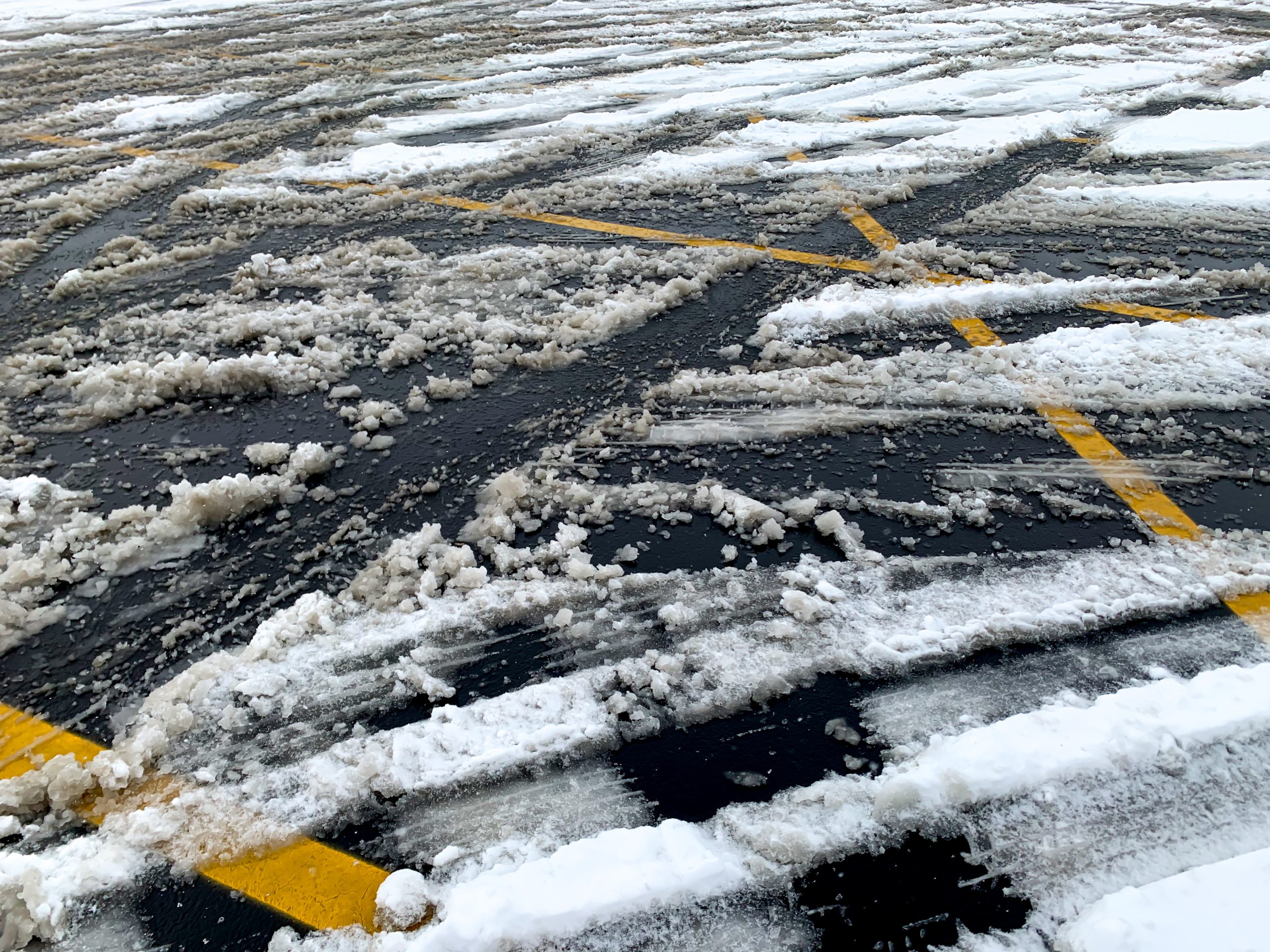
Protect Your Pavement Before the First Snowfall
Wisconsin winters are tough on driveways, parking lots, and roadways. Repeated freeze and thaw cycles, road salt, and snowplow traffic can turn small flaws into costly damage. With the right asphalt work plan, you can keep your surface safer, smoother, and longer lasting all season. In this guide, Asphalt Contractors shares four proven tips to prepare your pavement for cold weather, reduce winter damage, and set up a smart spring recovery plan. Whether you manage a busy commercial lot or a neighborhood driveway, these steps help you save money and avoid downtime when the snow starts to fly.
Why Winter Is Hard on Asphalt in Wisconsin
Asphalt performs well under heavy loads and changing conditions, but winter stress is different. When temperatures dip below freezing and climb back up, water inside the pavement expands and contracts. That movement widens small cracks, weakens the base, and can create potholes by late season. De-icers and plow blades add more strain. Understanding the main threats helps you prioritize the right asphalt work before and during winter.
- Freeze-thaw cycles: Water sneaks into tiny surface openings, then expands as it freezes. This pressure breaks bonds and opens cracks further.
- Moisture infiltration: Meltwater that lingers on the surface or at the edges can wash out base material and undermine support.
- De-icing chemicals: Some products dry out asphalt binders or accelerate deterioration if overused or misapplied.
- Snow removal damage: Low plow blades, steel edges, and improper stacking can scrape sealcoat and lift loose material.
- Heavy winter traffic: Delivery trucks, snow equipment, and service vehicles add extra load during the most brittle months.
The 4 Most Effective Pavement Protection Tips
1. Sealcoat and Crack Seal Before the First Freeze
The best winter defense is a watertight surface with sealed cracks. Sealcoating protects the top layer from oxidation, moisture, and salt. Crack sealing keeps water out of the base and blocks freeze-thaw damage at its source. Together, these two services form the foundation of any cold weather asphalt work plan.
Timing matters. In Southeast Wisconsin, the ideal window for sealcoating and crack sealing is late spring through early fall, when daytime temperatures and surface temps are warm and dry. If you are approaching the first hard frost, schedule as soon as possible to catch a weather window. Asphalt Contractors can assess your surface and recommend the right materials and schedule for your property size and use.
- Inspect and clean: Remove debris, weeds, and dirt so sealer and crack fill bond properly.
- Select the right crack filler: Use hot-applied rubberized material for flexible, long-lasting joints. It moves with the pavement through winter temperature swings.
- Apply a high-quality sealcoat: Two thin coats typically perform better than one heavy application.
- Respect cure times: Keep cars off the surface until the product is fully cured based on temperature and humidity.
- Refresh lines: After sealcoating, restripe markings to improve safety and visibility during early snowfalls and dark winter days.
Well-timed crack sealing often costs far less than patching potholes later. If you see open joints, alligator cracking, or gaps wider than a quarter inch, schedule repair right away. Asphalt Contractors can bundle crack sealing and sealcoating to stretch your maintenance budget and reduce downtime.
2. Improve Drainage and Support Your Edges
Water is the biggest enemy of asphalt in winter. Good drainage keeps water off the surface and away from the base layer. Edge support prevents fractures where vehicles roll on and off the pavement. Small changes in these two areas can make a big difference by spring.
- Clear gutters and catch basins: Make sure inlets and grates are open so meltwater flows into the storm system instead of ponding on your asphalt.
- Redirect downspouts: Aim water away from your driveway or lot to prevent icy patches and base saturation.
- Fill low spots: Level birdbaths and depressions with proper patch or leveling course to stop puddles that freeze and crack.
- Rebuild shoulders: Add compacted gravel or topsoil along edges to support vehicle tires and reduce edge cracking.
- Verify slope: Pavement should shed water toward drains at a slight but steady grade. If water stands after rain, ask about milling or leveling options.
Drainage upgrades are among the most valuable asphalt work investments because they protect the base. If your lot floods during snowmelt or you notice standing water after storms, Asphalt Contractors can evaluate slopes and structures, then recommend practical solutions that fit your site and budget.
3. Use Smart De-icing and Snow Removal Practices
Salt and plows are essential in Wisconsin, but poor techniques speed up pavement wear. With the right products and careful snow management, you can keep your surface safe without sacrificing long-term durability.
- Choose the right de-icer: Standard rock salt loses effectiveness in very low temperatures. Consider calcium chloride, magnesium chloride, or calcium magnesium acetate when temps drop. These options can reduce bounce and scatter, so product stays where you need it.
- Apply the correct amount: Use calibrated spreaders and follow label rates to avoid overuse that can dry out the asphalt binder.
- Add sand for traction: In extreme cold, sand mixed with salt can improve grip without overloading chemicals.
- Raise plow blades slightly: A small gap prevents scraping of sealcoat and raveling of aggregates. Rubber or poly edges are gentler on asphalt than steel.
- Mark boundaries: Use tall, flexible markers to help plow operators avoid curbs, islands, and drain structures buried in snow.
- Plan snow stacking areas: Keep piles away from sensitive edges and drains to reduce ice dams and ponding during thaw.
Coordinate with your snow removal contractor before the first storm. Share your surface priorities, show them any weak spots, and confirm equipment settings. Asphalt Contractors can help you set care guidelines that align with your maintenance strategy and extend the life of your pavement.
4. Schedule Winter-Safe Repairs and Plan Spring Recovery
Even with preventive care, winter can create new issues. Address them quickly using methods designed for cold weather, then plan durable fixes when temperatures rise. This two-step approach controls damage and keeps your site safe.
- Cold mix pothole repair: Use quality cold mix to fill potholes fast and reduce liability. Compact in layers for better hold through thaw cycles.
- Infrared patching: When conditions allow, infrared heat blends new and existing asphalt for a seamless repair that resists water intrusion.
- Emergency crack sealing: If you spot a long, open crack midwinter, temporary sealing can limit base damage until a full repair is possible.
- Document issues: Take photos, note locations, and track recurring problems so you can prioritize spring asphalt work.
- Spring inspection: As soon as the weather stabilizes, schedule a full assessment to determine whether you need patching, an overlay, or milling and repaving.
A little midwinter attention goes a long way. Asphalt Contractors offers temporary and permanent repair options so you can control costs and keep your property safe without waiting for perfect weather.
How Asphalt Work Scheduling Changes in Winter
Cold temperatures affect asphalt production, paving, and compaction. Most full-depth paving and overlays require warmer conditions for proper bonding and density. That said, not all work must stop. Some maintenance and small-scale repairs can still be done when winter arrives, especially with the right equipment and materials.
Because Asphalt Contractors manufactures its own asphalt, we can better control mix quality and availability during short weather windows. Our team plans work when temperatures, ground conditions, and forecasts align. We help you prioritize what to tackle now and what to schedule for spring so your surface gets the best result at the right time.
Residential vs. Commercial Winter Priorities
Homeowners and business owners share the same winter threats, but their maintenance focus can be different. Understanding these needs helps you choose the right steps and schedule.
- Residential driveways: Focus on crack sealing, proper drainage away from the garage, and gentle snow removal practices. Keep de-icing product off decorative borders and avoid piling snow on unsupported edges.
- Commercial lots: Emphasize traffic flow, safe walkways, and durable markings. Plan for heavy delivery routes, stacked snow locations, and night or weekend repairs to reduce downtime.
- HOAs and multi-family sites: Implement a site-wide winter plan with consistent de-icer selection, plow protocols, and a shared maintenance calendar.
Asphalt Contractors works with residential and commercial clients across Racine, Kenosha, Walworth, Waukesha, and Milwaukee counties. We tailor recommendations to your site use, traffic, and budget, then deliver the asphalt work that supports safety and durability all winter.
Signs Your Pavement Needs Attention Now
Not sure where to start? Look for these warning signs before the next freeze. Early action can prevent small issues from turning into costly repairs by spring.
- Open cracks wider than a quarter inch
- Alligator cracking that signals base failure
- Potholes or loose, crumbling areas
- Standing water or ice patches after melt
- Raveling where stones look exposed or dry
- Faded or missing line striping that affects safety
- Edge breaks where tires leave the pavement
If you spot any of these issues, plan a quick inspection. Asphalt Contractors can rank repairs by urgency and recommend the most cost-effective path forward.
Why Choose Asphalt Contractors for Winter Pavement Care
Since 1979, Asphalt Contractors Inc. has delivered reliable asphalt and concrete solutions across Southeast Wisconsin. Based in Union Grove, our team brings decades of local experience to the unique demands of Wisconsin winters. We are a full-service paving contractor with capabilities that cover every stage of your project, including asphalt paving, maintenance, milling and pulverizing, concrete construction, site preparation, asphalt manufacturing, specialty services, and crushing. By manufacturing our own asphalt, we control quality and timing, often reducing costs for our clients while ensuring consistent results.
We serve residential and commercial customers in Racine, Kenosha, Walworth, Waukesha, and Milwaukee counties. From quick crack sealing to complex site prep, we complete asphalt work efficiently with certified crews and top equipment. Our goal is simple. We protect your investment so your pavement performs through winter and beyond.
Frequently Asked Questions About Winter Asphalt Work
Can I sealcoat in late fall?
Sometimes, but it depends on temperature and moisture. Sealcoat needs warm, dry weather to cure. If the forecast is cold or wet, it is better to wait for spring. Asphalt Contractors can inspect your surface and advise whether late-season sealcoating will perform as intended or if crack sealing alone is the smarter move before winter.
Is rock salt bad for asphalt?
Used correctly, standard salt is effective for ice control, but overuse can dry the asphalt binder and accelerate wear. In very low temperatures, rock salt is less effective. Consider calcium chloride, magnesium chloride, or calcium magnesium acetate when it is bitterly cold. Follow label rates and consider adding sand for traction.
What is the best way to prevent potholes in winter?
Keep water out. Crack sealing before freezing weather is the most important step. Maintain good drainage and remove snow quickly to limit meltwater infiltration. If potholes form, fill them promptly with quality cold mix so they do not grow under traffic.
Can I repair asphalt when it is below freezing?
Yes, certain repairs like cold mix pothole patching can be done in very cold weather. Infrared repairs may also be possible depending on conditions. Full-depth paving and overlays typically wait for warmer temperatures. Asphalt Contractors will help you choose winter-safe methods that protect your surface until permanent repairs are possible.
How often should I sealcoat in Wisconsin?
Most driveways and parking lots benefit from sealcoating every two to three years, depending on traffic and exposure. High-traffic commercial lots may need more frequent attention. Always seal cracks as soon as they appear to stop water from reaching the base.
What if my lot has poor drainage?
Start with a drainage assessment. Solutions may include cleaning inlets, regrading small areas, installing additional drains, or milling high spots. In some cases, an overlay or partial reconstruction may be needed to restore proper slope. Asphalt Contractors will match the fix to the cause and your budget.
Create Your Winter-Ready Pavement Plan
Winter does not have to ruin your pavement. With early preparation, smart snow practices, and timely repairs, you can keep your surface safe and extend its life. The four tips in this guide seal out water, improve drainage, reduce de-icer and plow damage, and set you up for a strong spring recovery. If you need help prioritizing asphalt work or want a tailored maintenance plan, Asphalt Contractors is ready to assist. Our Union Grove team supports homeowners, property managers, and businesses across Racine, Kenosha, Walworth, Waukesha, and Milwaukee counties with reliable service, in-house asphalt manufacturing, and the experience to deliver results in Wisconsin’s toughest months.
Contact Asphalt Contractors to schedule an inspection or maintenance service. Together we will build a winter plan that protects your pavement, controls costs, and keeps people moving safely until spring.