
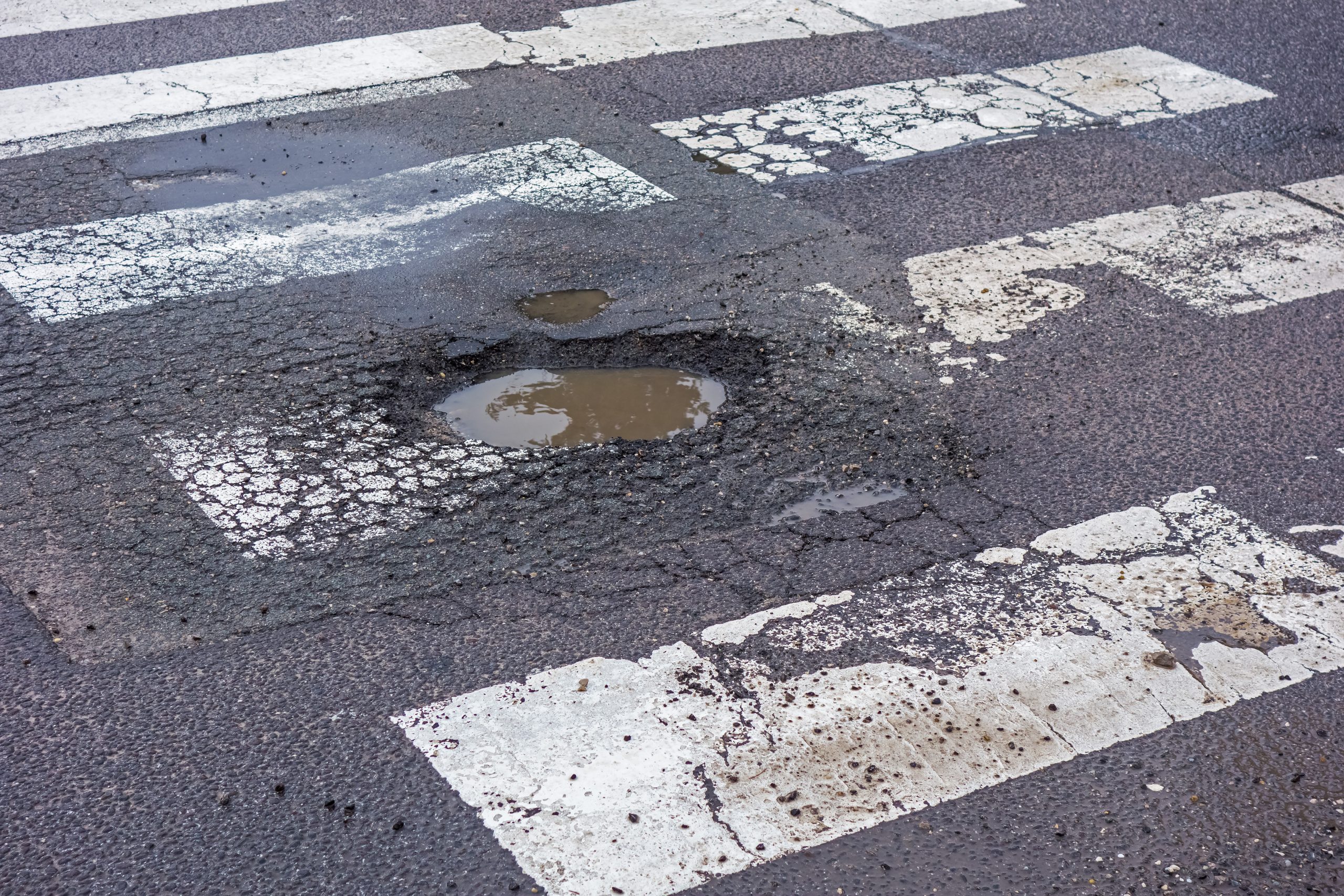
Commercial asphalt drainage Pewaukee WI is more than a buzz phrase. It is a real concern for property owners who want long lasting pavement, safe customers, and predictable maintenance costs. If water sits in your parking lot after a storm, it is telling you that the lot needs attention. Standing water weakens asphalt, shortens its service life, and creates avoidable safety risks. In this blog, Asphalt Contractors explains why puddles form, how they damage your lot, and the smart steps to fix drainage issues before they become big repair bills.
Quick Answer: Yes, Standing Water Is a Big Problem
Water that lingers after rainfall increases the odds of cracks, potholes, and surface raveling. In Wisconsin, freeze and thaw cycles push that damage even faster. When water cannot drain, it seeps into tiny openings and undermines your base. As those voids grow, the surface sags into birdbaths and the problem feeds on itself. The result is a rough, unsafe lot that costs more to maintain. If you see puddles that last for more than 24 to 48 hours, it is time to plan a fix with an experienced contractor like Asphalt Contractors.
Why Puddles Form on Commercial Parking Lots
Many factors cause poor drainage. A few are design related and others are maintenance related. Understanding the root cause is the first step toward a lasting solution.
Common Causes of Poor Drainage
- Insufficient slope. Parking lots need a consistent crown or cross slope so water travels to inlets or edges. Flat or low slope areas trap water.
- Settled or weak base. If the stone base under the asphalt was not compacted well or has become saturated, it can settle and create depressions.
- Clogged inlets and structures. Catch basins, trench drains, and storm lines collect debris over time. Leaves, litter, and sand block flow.
- Undersized or poorly placed drains. Too few inlets or inlets in the wrong locations allow water to pool in heavy rainfall.
- Frost heave and thaw settlement. Wisconsin freeze and thaw cycles can lift and lower pavement, changing grades and creating low spots.
- Improper transitions. Areas around manholes, valves, and catch basins are common failure points if the rings are loose or set at the wrong height.
- Edge confinement issues. If curb and gutter are cracked or undermined, water bypasses inlets and soaks the subgrade.
How Standing Water Damages Asphalt
Asphalt is a flexible pavement, but it cannot withstand pockets of water over and over again. Water is the main enemy of asphalt, especially in our climate.
Damage Mechanisms You Can Expect
- Stripping. Water can separate the asphalt binder from aggregate. That weakens the surface and leads to raveling.
- Freeze and thaw expansion. Water freezes, expands, and widens cracks. When it melts, it leaves voids that grow into potholes.
- Rutting and deformation. Traffic loads push water through the structure. Saturated areas soften and rut under tires.
- Premature sealcoat failure. Sealcoat does not adhere well where water ponds. That creates dull patches and uneven wear.
- Base and subgrade saturation. Once water reaches the base and subgrade, support drops and the surface sags further into birdbaths.
Risks to Your Business and Property
Drainage problems hit more than the pavement. They affect daily operations, customer experience, and risk management.
- Safety hazards. Puddles hide potholes. Pedestrians slip. Drivers hydroplane. All of this raises liability exposure.
- ADA concerns. Poor drainage can violate slope and cross slope guidelines for accessible routes and parking spaces.
- Damaged striping and signs. Standing water degrades paint faster, fades traffic markings, and shortens the life of wheel stops and posts.
- Negative first impressions. Customers notice waterlogged lots. It signals deferred maintenance and can reflect on your brand.
- Higher life cycle costs. Ignoring drainage increases the frequency of patches, overlays, and full replacements.
How to Diagnose Drainage Problems the Right Way
Good repairs start with a good assessment. Asphalt Contractors follows a clear process to find the cause and match the fix to your site.
Simple Steps a Property Manager Can Take
- Map the puddles. After a rain, take photos at multiple times over 24 to 48 hours. Note depths and locations.
- Measure birdbaths. Use a straightedge and ruler. A quarter inch or more of water depth over a 10 foot span points to grade issues.
- Open and inspect inlets. Look for debris, sediment buildup, broken grates, or missing mortar in catch basins.
- Walk the perimeter. Check curbs, gutters, and edges for cracks, settlement, or gaps that let water escape the intended path.
- Watch flow patterns. Lightly hose down the lot and see where water travels. This reveals subtle grade problems.
What Asphalt Contractors Checks During a Professional Assessment
- Topographic spot grades to confirm slopes and low points.
- Condition of the asphalt layer, including raveling, cracking, rutting, and patch transitions.
- Catch basin and storm line condition. We may recommend camera inspection for older systems.
- Base and subgrade strength. Targeted cores and density checks help confirm support.
- Material performance. Mix type, binder grade, and aggregate quality influence durability around wet areas.
Fixes That Work: From Quick Wins to Complete Drainage Upgrades
Every site is different. The right solution depends on the cause, the age of your pavement, and your budget. Asphalt Contractors offers a full range of options so you can plan smart and act at the right time.
Maintenance and Minor Repairs
- Clean inlets and storm lines. Regular vacuuming and jetting restore flow. This is often the fastest, lowest cost improvement.
- Crack sealing. Keep water out of the pavement structure to slow down further damage.
- Infrared or skin patch leveling. For shallow birdbaths, selective leveling patches can reestablish drainage.
- Sealcoating in the right season. Protects the surface after drainage issues are corrected.
Intermediate Solutions
- Mill and profile. Precision milling allows us to reset the surface grade, add crown, and create positive flow toward inlets.
- Adjust catch basin elevations. Raise or rebuild rings and grates so they sit at the correct height and alignment.
- Add new inlets or trench drains. Targeted structures in long flat bays or at transitions collect water where it tends to pool.
- Edge and curb rehabilitation. Repair curb and gutter to restore proper confinement and flow paths.
Full Depth and Structural Solutions
- Full depth reclamation or reconstruction. Where base failure is widespread, rebuilding the structure delivers a long term fix.
- Underdrains and base stabilization. We can install geotextiles, geogrids, and drains to control groundwater and support.
- Permeable or porous asphalt zones. In select areas, a porous system with a stone reservoir can manage stormwater on site.
- Mix design and binder upgrades. Polymer modified binders and durable aggregates resist moisture damage and rutting.
Wisconsin Weather Makes Drainage Even More Important
Pewaukee and greater Waukesha County see freeze and thaw cycles, heavy summer storms, and winter snow storage. Those conditions punish any standing water.
- Spring thaw. Saturated bases are soft. Traffic loads during spring cause deeper ruts and faster fatigue.
- Winter plowing. Repeated scraping can open hairline cracks and move water into the surface layer.
- Snow piles. Melting piles concentrate water in specific areas, which creates persistent puddles near curbs.
- Deicing chemicals. Salt brine and fine sand add to the debris that clogs drains and accelerates wear.
Prevention Plan: Keep Water Moving Off Your Lot
A simple, consistent maintenance plan can prevent most drainage related damage. Asphalt Contractors helps property managers build practical schedules that fit budgets and operations.
Best Practices for Long Lasting Pavement
- Seasonal sweeping and vacuuming. Keep debris out of inlets and off the surface.
- Annual drainage checkup. Inspect inlets, edges, and known low spots each spring.
- Crack seal on a schedule. Do not wait until cracks widen. Early sealing blocks water entry.
- Sealcoat at the right interval. Typically every two to four years, depending on traffic and weather.
- Re stripe and refresh signs after sealcoat. Good markings help control traffic and limit stress on weak areas.
- Manage snow storage. Place piles where spring melt flows to functioning drains.
Local Expertise Matters: commercial asphalt drainage Pewaukee WI
Property owners in Pewaukee, WI need a partner who understands local soil, climate, and traffic patterns. Asphalt Contractors Inc. was founded in 1979 and is based in Union Grove, Wisconsin. Our team serves Southeast Wisconsin, including Racine, Kenosha, Walworth, Waukesha, and Milwaukee counties. We know how Lake Country sites behave during storms and how frost affects grades tucked between curbs, buildings, and landscapes. When you search for commercial asphalt drainage Pewaukee WI, you want a contractor that sees the whole picture, not just the surface layer. Asphalt Contractors designs and builds solutions that work through every season, from June downpours to January deep freezes.
Why Choose Asphalt Contractors for Drainage and Paving
Asphalt Contractors is a full service paving contractor with in house capabilities that reduce cost and improve quality. We do more than patch. We diagnose, design, and deliver complete solutions that last.
- We manufacture our own asphalt. Control of materials leads to consistent quality and competitive pricing.
- We provide milling, pulverizing, site preparation, concrete construction, and crushing. Fewer subs mean better scheduling and accountability.
- Certified crews and modern equipment. Our teams complete work safely and efficiently to high standards.
- Proven track record. Four decades of successful projects across Southeast Wisconsin.
- Clear communication. From proposal to punch list, you know what will happen and when.
What Fix Is Right for Your Lot?
Every repair plan should match the age of your lot, the severity of the drainage problem, and your long term plans for the property. Asphalt Contractors can help you prioritize work into phases if needed. Sometimes a small, well placed trench drain and a mill and profile in a few bays will solve the problem. Other times, you might need targeted full depth repairs in wheel paths with base stabilization. If storm infrastructure is undersized, adding a catch basin or regrading a swale may be the best investment. Our team will explain the tradeoffs so you can make an informed decision.
Budgeting and ROI: Spend Smart on Drainage
Drainage is one of the best investments you can make in a parking lot. Dollars spent on slope correction, inlet cleaning, or structural fixes often return many times in avoided failures. Fixing birdbaths today can prevent extensive patching next spring. Rebuilding a failing catch basin now can save a premature overlay later. Asphalt Contractors helps you compare options and align your budget with the most cost effective plan.
Frequently Asked Questions
How long is it acceptable for water to stand after rain?
Ideally, water should clear within a few hours. If you still see pooling 24 hours after a typical storm, there is likely a grade, inlet, or base issue that warrants attention.
What slope should a parking lot have?
Most lots need 1.5 to 2 percent cross slope for reliable drainage. The exact slope depends on layout, inlet locations, and site constraints. Our assessments include spot grades to confirm existing conditions.
Can I just fill a birdbath with a small patch?
Sometimes, yes. For shallow and isolated areas, patch leveling can work well. If the base is weak or the birdbath is large, a mill and profile or deeper repair will last longer.
Will sealcoating fix puddles?
No. Sealcoat protects the surface but does not change grades. Address drainage first, then sealcoat for best results.
How often should drains be cleaned?
At least once a year, and more often if your site collects leaves or sand. Many properties schedule spring and fall cleanings.
Do you work on active sites without shutting down operations?
Yes. Asphalt Contractors coordinates phasing to keep businesses open. We set up traffic control, work in sections, and communicate the schedule in advance.
Your Next Step: Schedule a Drainage Assessment
If you are seeing recurring puddles, rutting, or potholes, do not wait. The sooner you act, the more options you have and the less you spend later. Asphalt Contractors is ready to evaluate your site and put together a clear, tailored plan. From simple inlet cleaning to complete regrading, we help you choose the right fix.
Serving Pewaukee and Southeast Wisconsin
Whether you manage a retail center, medical office, industrial park, or multifamily property, commercial asphalt drainage Pewaukee WI requires a trusted local team. Asphalt Contractors brings more than forty years of experience and full service capabilities to your project. We stand behind our work and we understand the expectations of property managers and owners in Waukesha County and beyond.
Protect Your Investment and Your Reputation
Water sitting on your lot after every storm is not normal, and it is not harmless. It is a warning that your pavement structure or stormwater plan needs attention. Addressing drainage now improves safety, preserves curb appeal, and extends the life of your parking lot. Connect with Asphalt Contractors to schedule an assessment and get a solution that fits your site, your goals, and your budget. When you think commercial asphalt drainage Pewaukee WI, think Asphalt Contractors. We are ready to help you keep water moving and your lot looking its best, season after season.