Edge Crumbling 101: What You Are Seeing and Why It Matters
Crumbling asphalt edges are more than a cosmetic issue. When the edges of a parking lot, driveway, or private roadway begin to break away, the damage can spread into travel lanes, create safety hazards, and raise long-term repair costs. In Burlington and across Southeast Wisconsin, freeze-thaw cycles, heavy traffic, and drainage problems can speed up edge failure. Understanding the root causes helps you respond quickly with the right fix.
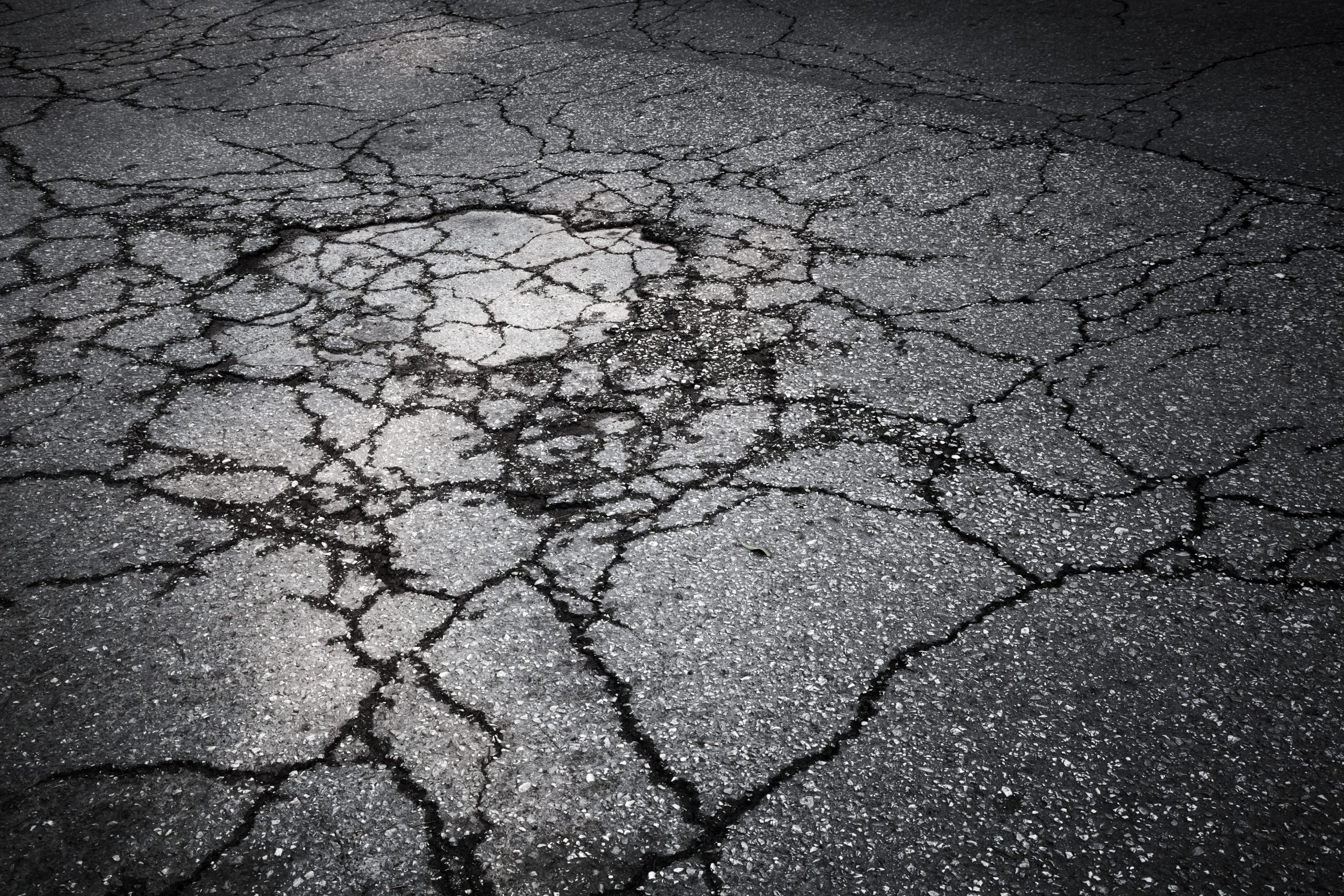
- Raveling: The surface near the edge sheds sand and stones, leaving a rough texture.
- Edge breakup: Small chips turn into larger chunks that separate from the mat.
- Drop-off: A noticeable height difference appears between the asphalt and the shoulder or soil.
- Cracks along the edge: Long cracks run parallel to the side of the pavement and widen with traffic.
- Vegetation growth: Weeds enter from the side and pry the edge apart.
Common Reasons Asphalt Edges Crumble
Thin or Unsupported Edges
Asphalt needs proper support at the sides. If the mat was paved thin at the outer 12 to 18 inches or placed right up to soft soil without a stable base or shoulder, traffic pressure causes the edge to flex and break. Over time, small chips become larger chunks that tear off under tire pressure.
Poor Drainage and Water Intrusion
Water is the top enemy of asphalt. When runoff flows over the side, pools at the edge, or seeps underneath the mat, it weakens the base layer. Wet base materials lose strength and allow the asphalt to move. Repeated traffic over a weak edge speeds up the crumble process.
Freeze-Thaw Cycles in Southeast Wisconsin
Burlington’s climate brings many freeze-thaw cycles each year. Water that enters tiny cracks expands when it freezes, then contracts when it thaws. This action opens the cracks wider and pushes the edge apart. Repeated cycles compound the damage and cause chunks to break free.
Heavy Traffic and Overloading
Edges that were not designed for heavy trucks or frequent turning movements are at higher risk. Delivery trucks, garbage vehicles, and buses often track near the edge and apply high lateral forces during turns. If the edge is not built to carry that load, failure follows.
UV Oxidation and Aging
Sunlight dries out asphalt binders over time. As the binder oxidizes, it becomes brittle. Brittle edges cannot flex under load and tend to crack and ravel. Without regular sealcoating and crack sealing, the edge ages quickly and begins to crumble.
Vegetation and Root Intrusion
Grass, weeds, and roots grow into small gaps along the edge. Roots exert pressure that widens the cracks and lifts the asphalt. As the edge lifts or separates from the base, pieces begin to fall away.
Construction Shortcuts or Wrong Mix
Edges are vulnerable if the original build skipped proper compaction, used the wrong asphalt mix, or placed a thin lift. Low compaction leaves air voids and weak bonds. A mismatched mix at the edge can also ravel earlier than the rest of the pavement.
How to Diagnose Edge Problems Before You Repair
A quick look from the surface tells part of the story, but a focused assessment gives you the right plan. If you manage a facility, you can complete a simple check. For best results, ask a professional like Asphalt Contractors to verify your findings and create a repair scope.
- Walk the edge: Note the length of damage, width of drop-off, and any long cracks near the side.
- Probe the shoulder: Use a screwdriver to test the firmness of the soil or gravel next to the asphalt.
- Look for drainage clues: Water stains, algae, rutting, or ponding near the edge point to runoff issues.
- Check traffic patterns: Identify where trucks turn, stop, or clip the edge when parking.
- Photograph and mark: Take photos and note areas by segment so a contractor can price them accurately.
- Plan a professional evaluation: Request a core or sawcut at select spots if base failure is suspected.
Asphalt Contractors can perform a detailed assessment that includes measuring pavement thickness, testing base stability, and identifying the drainage changes needed to extend the life of your repair.
Fast Fixes vs Long-Term Solutions
Quick Containment Methods
When you need immediate safety and appearance improvements, temporary measures can help while you plan a lasting repair.
- Cold patch for edge voids: Fills holes to remove trip hazards and reduce further breakup.
- Edge sealing: Applies asphalt emulsion or hot sealant to slow raveling and keep water out for a short time.
- Temporary shoulder build-up: Adds compacted gravel to support the edge and remove drop-offs.
- Traffic control: Re-stripes or cones off the area to reduce vehicles from riding the edge.
Durable Commercial Repair Options
For a repair that holds up, you need to address structure, support, and drainage. Asphalt Contractors designs long-term solutions tailored to traffic and site conditions.
- Edge milling and repaving: Mills off a set depth along the edge and replaces with a dense, compacted lift that ties into the existing mat.
- Full-depth patching: Removes failed asphalt and unstable base, rebuilds with compacted aggregate, and places new binder and surface courses.
- Widening with base reinforcement: Extends the pavement width and installs a proper shoulder or thicker base where trucks track or turn.
- Drainage upgrades: Regrades shoulders, installs swales, or adds edge drains to move water away from the pavement.
- Crack sealing and sealcoating: Seals joints along the new edge and protects the surface from UV and water damage.
- Concrete transitions: Adds concrete aprons or dumpster pads where heavy or static loads crush asphalt edges.
What to Expect During Commercial Asphalt Repair in Burlington
Planning helps reduce downtime and keep customers and staff happy. Here is a typical process for commercial asphalt repair Burlington property managers can expect when working with Asphalt Contractors.
- Site visit and scope: A project manager inspects the edges, identifies causes, and recommends a repair approach.
- Proposal with options: You receive good, better, best choices with clear pricing, timeline, and phasing plans.
- Scheduling and notifications: The crew coordinates with your hours, deliveries, and peak traffic to minimize impact.
- Preparation and safety: The crew sets traffic control, marks utilities, and protects nearby surfaces and landscaping.
- Removal and base work: Failing edges are milled or sawcut, base is repaired or replaced, and support is added along the sides.
- Paving and compaction: New asphalt is placed in the proper lifts and compacted for a tight, durable bond.
- Finishing touches: Joints are sealed, drainage is checked, and striping or signage is updated as needed.
- Final walk-through: You review the work, get care tips, and schedule follow-up services like sealcoating.
Cost Factors and Timelines
Edge repairs vary in price based on size, depth, and site conditions. A small section with surface raveling may be affordable and quick. A long stretch with base failure and drainage issues costs more and takes longer. Asphalt Contractors provides transparent pricing so you can plan your budget.
- Extent of damage: Linear feet of repair and the width of the patch or widening needed.
- Depth of failure: Surface-only fixes cost less than full-depth base reconstruction.
- Base condition: Weak or saturated base requires more labor and material.
- Drainage improvements: Regrading and drains add to cost but prevent repeat failures.
- Access and phasing: Tight sites or multi-phase work can add time and setup costs.
- Season and weather: Spring and fall are busy and weather can affect scheduling.
- Material choices: Higher performance mixes or concrete aprons may cost more but last longer.
- Permits and compliance: Some sites require approvals or special traffic control.
In many cases, small to mid-size edge repairs can be completed in one to three days of active work, plus curing or striping time. Your Asphalt Contractors project manager will provide a realistic schedule based on crew availability and weather.
How to Prevent Crumbling Edges in the Future
Prevention saves money. If you are planning new paving or want to protect recent repairs, focus on design, maintenance, and traffic control.
- Design for support: Include a thicker base and a proper shoulder or curb at all outer edges.
- Widen critical zones: Add width where trucks turn, back in, or queue to reduce edge stress.
- Compact thoroughly: Ensure the edge receives the same compaction as the center of the mat.
- Manage runoff: Keep water from flowing over or ponding alongside the edge. Clean out swales and catch basins.
- Seal cracks early: Address edge cracks as soon as they appear to block water entry.
- Sealcoat on schedule: Apply a quality sealcoat every two to three years under normal use.
- Protect in winter: Use plow blade shoes to avoid scraping edges and keep deicers in check.
- Control vegetation: Trim and treat edges to stop roots from prying pavement apart.
- Direct traffic: Use striping, bollards, or curbing to keep vehicles away from vulnerable edges.
DIY vs Professional: When to Call Asphalt Contractors
Some quick actions can reduce risk, but structural repairs call for a pro. Use common sense and know your limits. The wrong patch can trap water and make damage worse.
- DIY friendly: Applying cold patch for small potholes at the edge, placing temporary gravel to reduce drop-offs, or sealing minor cracks.
- Call a pro: Long parallel edge cracks, ongoing raveling, sinking shoulders, ponding water, or any area where trucks track near an unsupported edge.
Asphalt Contractors offers free assessments and clear recommendations. If you need commercial asphalt repair Burlington businesses rely on, our team will guide you to the safest and most cost-effective solution.
Why Choose Asphalt Contractors for Commercial Asphalt Repair in Burlington
Asphalt Contractors Inc., established in 1979, is a full-service paving contractor based in Union Grove, Wisconsin. We serve Burlington and the greater Southeast Wisconsin region, including Racine, Kenosha, Walworth, Waukesha, and Milwaukee counties. With over four decades of experience, Asphalt Contractors delivers high-quality asphalt and concrete solutions for commercial and residential clients.
- In-house asphalt manufacturing: By making our own asphalt, we control quality and timing while helping clients save on cost.
- Full-service capabilities: Paving, maintenance, milling, pulverizing, concrete, site prep, specialty services, and crushing under one roof.
- Certified crews and modern equipment: Proper compaction and precise joints for stronger, longer-lasting edges.
- Proven process: Detailed assessments, clear proposals, and on-time delivery with safety at the core.
- Local expertise: We understand Burlington soils, drainage patterns, and freeze-thaw challenges.
- Value engineering: We suggest durable details like thicker base at edges, concrete aprons at dumpsters, and drainage fixes that prevent repeat failures.
- Reliable scheduling: Phased work plans that keep your operations moving and your customers safe.
When you choose Asphalt Contractors, you get a partner focused on long-term performance. Our goal is to stop edge failures at their source and protect your investment.
Frequently Asked Questions
Can crumbling edges be repaired in winter?
Emergency patches are possible in cold weather with cold mix and temporary shoulder support. For lasting results, schedule full-depth or repaving work when temperatures allow proper compaction and bonding, typically spring through fall. Asphalt Contractors can stabilize unsafe edges now and plan durable repairs for the next paving window.
How long will repairs last?
It depends on the fix and site conditions. A quick patch may last months to a couple of years. A full-depth repair with base reinforcement and proper drainage can last many years when paired with routine maintenance like crack sealing and sealcoating.
Will sealcoating fix crumbling edges?
Sealcoating protects the surface but does not rebuild structure. It is an excellent follow-up after structural repairs because it slows oxidation and water intrusion. If the edge is already crumbling, address the cause first, then sealcoat.
Do I need to close my lot?
Not always. For many projects, Asphalt Contractors can phase the work to keep parts of your lot open. We set up traffic control and coordinate around your busiest times. Large or complex jobs may require short closures for safety and quality.
How soon can I drive on new edges?
Light traffic can often return within 24 hours, but heavy trucks may need to wait longer depending on mix and weather. Your crew leader will provide a site-specific schedule to protect the new pavement during its early cure period.
Get a Professional Edge Assessment Today
If your asphalt edges are chipping, cracking, or dropping off, act now before the damage spreads. Asphalt Contractors will identify the cause, stabilize the area, and build a plan that lasts. For commercial asphalt repair Burlington facility managers trust, schedule an on-site assessment and get a clear proposal with options that match your budget and timeline. Protect your pavement, improve safety, and extend the life of your investment with help from Asphalt Contractors.