Why a Winter Audit Matters for Parking Lot Maintenance
When the snow piles shrink and the plow trucks park, it is the perfect moment to assess the health of your pavement. A simple winter audit focuses your spring parking lot maintenance on the issues that affect safety, curb appeal, and long term costs. Freeze thaw cycles, salt, and plow blades are tough on asphalt and concrete. Small cracks widen. Water settles where it should not. Lines and symbols fade. If you manage a retail center, industrial yard, school campus, or HOA, these changes can turn into liability and lost revenue if you do not act fast.
This guide walks you through three must check issues once the snow plows leave. You will learn how to spot trouble early, what repairs make sense, and how to plan a cost effective path forward. Asphalt Contractors Inc. has been helping Southeast Wisconsin property owners with smart parking lot maintenance since 1979, and we are sharing field tested tips so you can protect your pavement and your budget.
How Winter Damages Asphalt and Concrete
Freeze Thaw and Deicing Chemicals
Moisture seeps into tiny surface openings, freezes, expands, and breaks apart the pavement. When it thaws, loosened fines wash away and leave a rough texture. Repeated cycles create cracks, raveling, and potholes. Deicing salt speeds the cycle by attracting water and softening the asphalt binder at the surface. Concrete is also vulnerable to scaling and spalling when salt and freeze thaw occur together. Good parking lot maintenance addresses both the visible damage and the trapped moisture that started it.
Plows, Loaders, and Snow Stockpiles
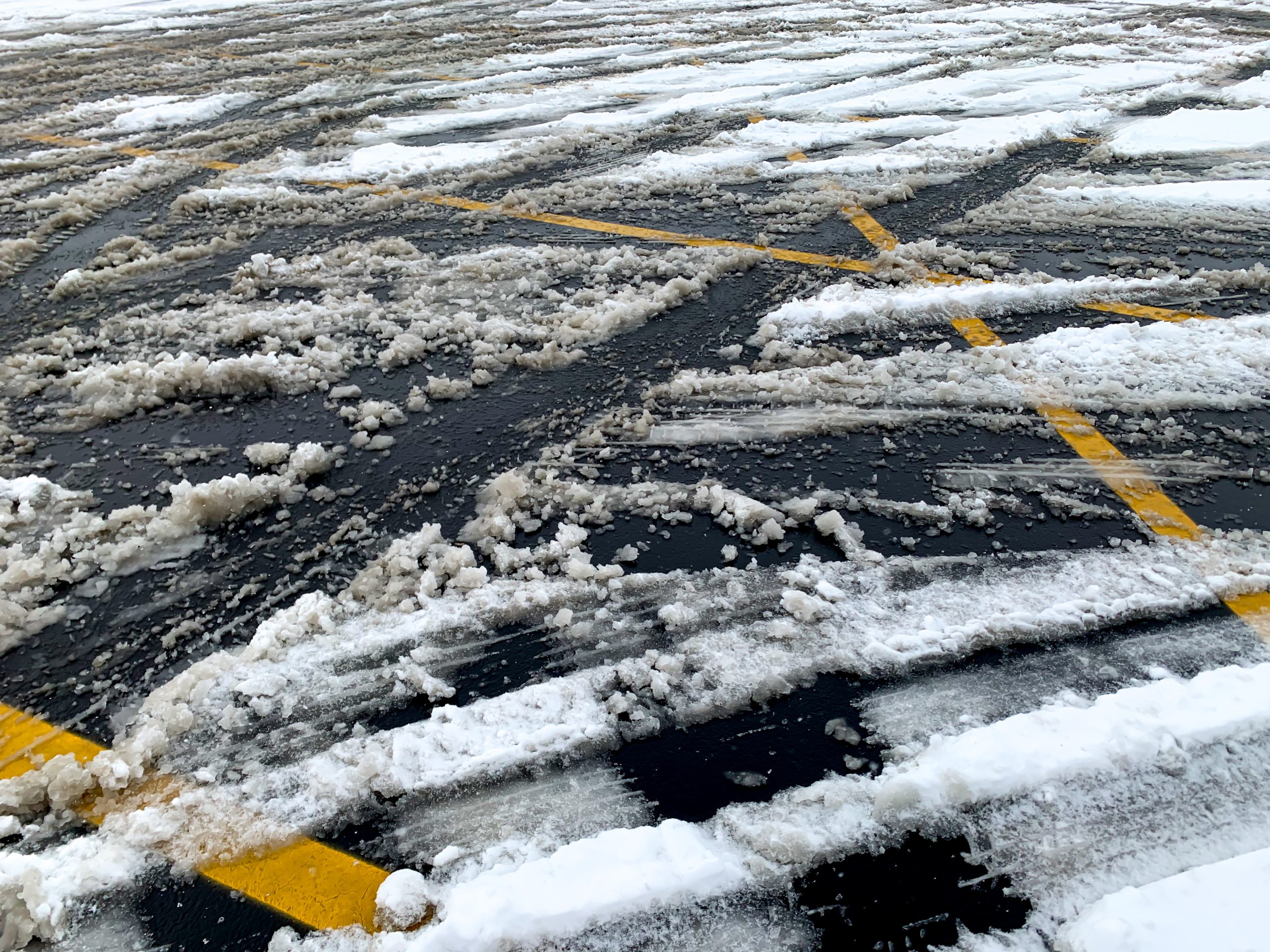
Cutting edges and heavy equipment scrape, bump, and gouge. High traffic turns near entries and drive lanes take the brunt of this contact. Snow stockpiled in the same corner all winter compresses the base and saturates the subgrade as it melts. That added load can cause settlement, waves, and cracking lines that mirror the outline of the pile. These patterns become clear once the snow is gone, which is why a spring audit is essential.
3 Things to Check After the Snow Plows Leave
1. Potholes and Surface Distress
Potholes form where water and traffic meet weakened pavement. They grow quickly in late winter, when daytime thaw and nighttime freeze are constant. During your audit, walk the lot and mark every defect, not just the biggest holes. Look for clusters and patterns that point to a deeper problem.
- Alligator cracking that looks like reptile skin, often near drive lanes and dumpster pads
- Raveling where aggregate is loose and the surface feels sandy
- Edge breaks along pavement borders and curb lines
- Depressions that hold water after a melt or rain
Note the size of each pothole and the condition around it. A single small hole in otherwise sound pavement often needs a localized fix. A chain of potholes or fatigue cracking suggests the base is failing and a larger patch or overlay may be required.
How to Fix and Prioritize Potholes
- Cold patch is a temporary fix for safety. It can be installed in cold weather and traffic ready fast, but it will not last through a season of heavy use.
- Infrared asphalt repair blends new hot mix with the existing material, producing a seamless joint that resists water. It is ideal for mid sized holes and utility cuts.
- Full depth patching removes failed material down to stable base and replaces it with new asphalt. This is the long term solution for areas with repeated failures.
- Crack sealing after patching prevents water infiltration that can recreate the hole. It is a key step in preventive parking lot maintenance.
Asphalt Contractors manufactures its own hot mix asphalt in Southeast Wisconsin. That control over materials helps us deliver consistent quality and pass on cost savings. Our crews can evaluate each location and match the repair method to the problem so you do not overspend or settle for a band aid.
2. Drainage and Catch Basin Performance
Standing water is the enemy of pavement. During your audit, check how well the lot drains after a melt or light rain. Water that lingers speeds up raveling, softens the base, and worsens freeze thaw damage. Poor drainage also raises the risk of slip and fall claims. Drainage checks are a core part of spring parking lot maintenance and often reveal issues that formed under the snow.
- Puddles that remain more than 24 hours after precipitation
- Clogged catch basins, grates, or curb inlets packed with sand and debris
- Heaving or settlement around manholes and utility covers
- Gutters or swales where the surface is cracked or undermined
Use a straight edge or string line to see if a depressed area needs profile adjustment. Inspect the mortar and frames on catch basins. Look closely at low points where snow piles sat for months. A small low spot can become a large pothole once water works the edges loose.
Drainage Solutions That Work
- Regrading and milling to adjust the surface profile and restore positive flow to inlets
- Infrared leveling for minor birdbaths where the base is sound
- Catch basin rebuilds that replace loose brick, corroded frames, and unstable rings
- Undercut and base repair where prolonged saturation has weakened support layers
Asphalt Contractors can map out elevations and use milling and paving to restore proper drainage without replacing more pavement than necessary. Our team balances quick fixes with durable solutions so you get the most value from your parking lot maintenance plan.
3. Striping, Signage, and ADA Compliance
Lines and markings take a beating from winter. Salt, sand, and plows scuff the paint. Faded lines reduce safety and stall count efficiency. After the snow season, evaluate visibility from a driver’s eye view and confirm that accessible parking and routes still meet current standards. A clear, compliant layout is a quick win for safety and curb appeal.
- Stall lines that are thin or patchy in high traffic zones
- Stop bars and crosswalks that have lost contrast with the pavement
- Accessible stalls with worn symbols, missing signs, or improper aisle widths
- Fire lanes, loading zones, and directional arrows that are hard to see
Restriping is most effective when paired with spot repairs or sealcoating, since fresh black surface increases contrast and extends paint life. Consider adding reflective glass beads in key locations for better night and wet weather visibility.
Best Practices for Restriping and Layout
- Schedule marking when pavement is clean and dry with temps near 50 degrees and rising
- Select coatings that fit your lot use such as waterborne acrylic for most lots or durable epoxies for heavy duty areas
- Optimize layout to improve traffic flow, snow storage, and pedestrian safety
- Verify ADA elements like stall counts, van accessible spaces, and routes meet current regulations and local enforcement practices
Asphalt Contractors can review your current layout, confirm counts and slopes for accessibility, and plan a restriping schedule that minimizes downtime. We work with retail, healthcare, schools, and industrial clients across Racine, Kenosha, Walworth, Waukesha, and Milwaukee counties.
Pro Tips to Protect Your Budget
- Book a spring evaluation early. Contractor schedules fill up quickly once the frost leaves the ground. An early walk through locks in priority repairs before small problems spread.
- Bundle work. Grouping crack sealing, patching, and striping in one mobilization reduces costs. Neighboring properties can also bundle to share travel and material savings.
- Treat the source, not just the symptom. If a recurring pothole sits in a birdbath, fix the drainage and the hole. This approach stretches your maintenance dollars.
- Document your lot. Create a simple map with numbered locations and photos. This record keeps your parking lot maintenance plan on track from season to season.
- Plan for base issues. If the same area fails every winter, address subgrade moisture and support. A targeted full depth patch now is cheaper than repeated surface fixes.
DIY Checks You Can Do This Week
- Walk the lot after a rain. Note where water stands, where it flows too fast, and where it bypasses inlets. Mark each area with chalk or paint for follow up.
- Clear debris from drains and gutters. Sand and litter build up over winter and block flow. Simple cleaning can reduce new damage while you schedule repairs.
- Probe edges. Use a screwdriver along cracked edges to check for undermining. Soft spots or voids signal the need for a deeper repair.
- Measure potholes. Record length, width, and depth. This helps contractors price the right method and mobilize with correct materials.
- Review signage and markings. Confirm fire lanes, stop conditions, and accessible routes are visible. Temporary cones or signs can improve safety until restriping is complete.
Why Choose Asphalt Contractors in Southeast Wisconsin
Asphalt Contractors Inc. has been serving Southeast Wisconsin since 1979 with complete asphalt and concrete solutions. We are based in Union Grove and serve Racine, Kenosha, Walworth, Waukesha, and Milwaukee counties. As a full service paving contractor, we provide asphalt paving, maintenance, milling and pulverizing, concrete construction, site preparation, asphalt manufacturing, specialty services, and crushing. By manufacturing our own asphalt, we control quality from plant to pavement and pass savings to our clients. That matters when you are planning parking lot maintenance after a harsh winter.
Our crews use proven processes, modern equipment, and certified techniques so work is completed efficiently and to high standards. From infrared repairs to catch basin rebuilds and restriping, Asphalt Contractors can manage the entire scope with one accountable team. We understand Wisconsin weather windows, coordinate traffic control to keep businesses open, and stand behind our results. Whether you manage a single driveway or a multi site portfolio, we can tailor a maintenance plan that fits your budget and timeline.
Service Plans for Different Properties
Retail and Grocery Centers
Spring is busy for retail. Customers expect smooth driving lanes, clear crosswalks, and bright markings. We can schedule night or off hour work to minimize disruption. Our typical plan includes hot mix or infrared patching at high turn areas, crack sealing, selective sealcoating for traffic islands and entrances, and full lot restriping with crisp stall counts and stop bars. If your layout changed during winter snow storage, we can adjust the plan and signage to improve flow before the next season.
HOAs and Apartments
Resident safety and accessible parking are top priorities. We focus on drainage around mail kiosks, dumpster pads, and building entries. Plans often combine patching near carports, leveling small birdbaths, and repainting numbers and stalls. We can phase work by building to maintain access. Property managers appreciate that Asphalt Contractors provides clear scopes and photos so board members can approve work with confidence.
Industrial and Municipal Lots
Heavy loads and frequent plowing wear out pavements near docks and gates. We evaluate base support, joint stability near concrete, and turning radii that grind the surface. Recommended work may include full depth patches, thicker asphalt lifts, concrete aprons, and high durability markings. For municipal clients, we also address ADA curb ramps, school crosswalk visibility, and lot circulation for buses and emergency vehicles.
Frequently Asked Questions About Parking Lot Maintenance After Winter
- When should I schedule repairs? Aim for early spring once the frost is out of the ground and the surface is dry. Temporary cold patches can make the lot safe until permanent repairs are installed.
- Can you patch in cold weather? Yes, but it is temporary. Cold patch is useful for safety. Long lasting fixes like hot mix or infrared require warmer conditions and a dry surface.
- How long will new striping last? Typical lines last 12 to 24 months depending on traffic, winter plowing, and surface condition. Fresh sealcoat or a smooth surface helps lines last longer.
- Do I need sealcoating every year? No. Many lots benefit from sealcoating every two to three years, paired with annual crack sealing and spot repairs. The right schedule depends on traffic and exposure.
- What is the best way to budget? Split work into safety now, preventive maintenance this season, and capital improvements later. Asphalt Contractors can provide a multi year plan so you can forecast costs and avoid surprises.
Next Steps: Book Your Winter Audit
Do not wait for the first spring storm to show you where the problems are. Walk your property, note the issues in this guide, and then schedule a professional assessment. Asphalt Contractors will inspect potholes and cracks, test drainage, and review striping and compliance. You will receive a clear, prioritized proposal with options that balance speed, durability, and cost. With our in house asphalt manufacturing, experienced crews, and local roots in Union Grove, we are ready to help you protect your investment and keep people safe.
Make this the year your parking lot maintenance plan starts early and works smarter. Contact Asphalt Contractors to schedule your winter audit and set up a spring repair plan that fits your property and your budget.