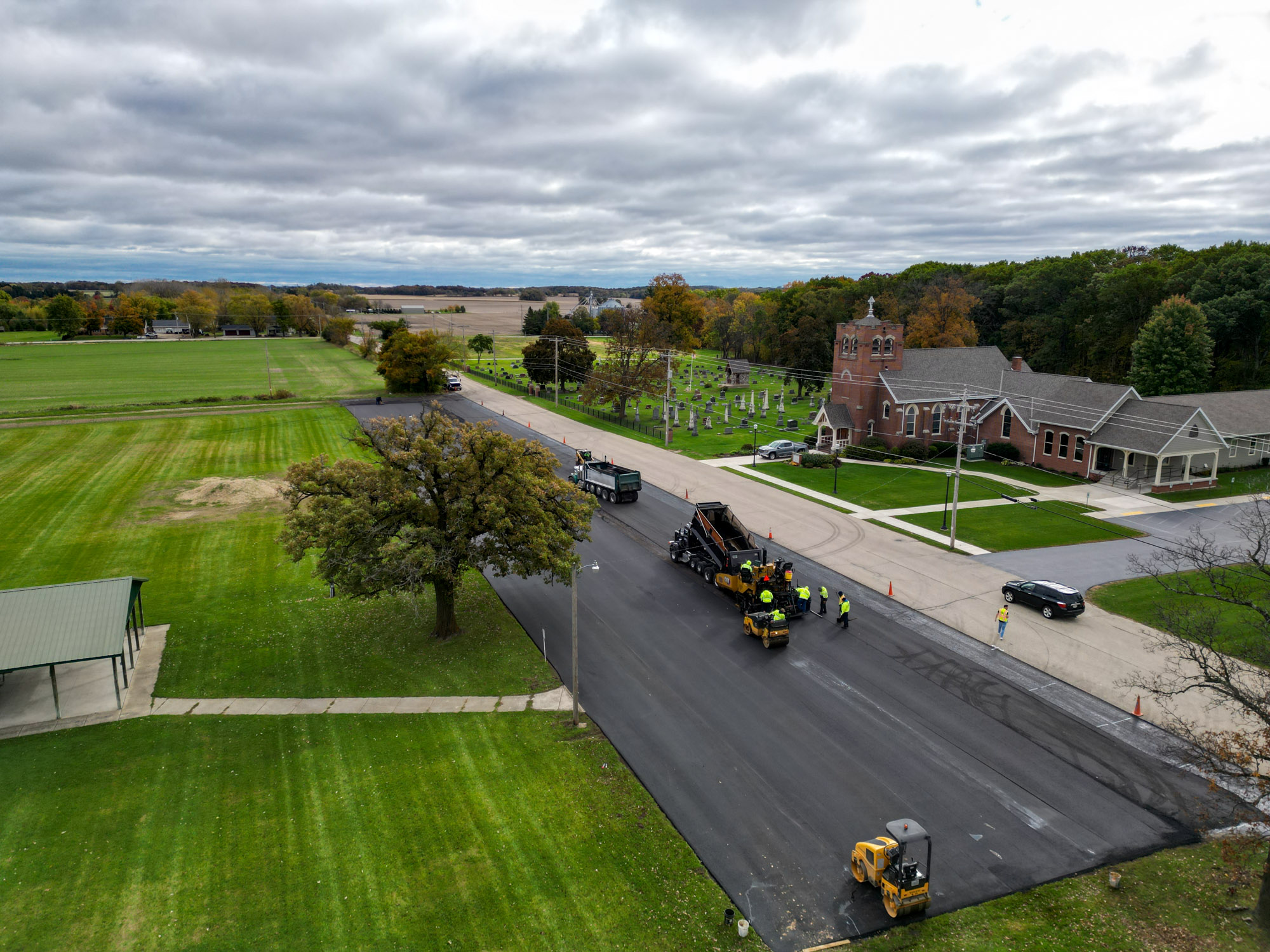
Parking lot base failure signs can be easy to miss until the damage is widespread. Knowing what to look for helps you stop hidden structural issues before they turn into costly repairs or safety risks. Parking lot base failure signs: spot hidden structural damage beneath the surface, avoid safety risks and costly repairs. Learn what to look for and act now.
At a glance, a parking lot may only show a few cracks or a pothole. But the real danger often starts below the surface where the base and subgrade carry traffic loads and handle water. When these layers weaken, the surface cannot hold up, and what looks like a small cosmetic issue can signal deep structural problems. Asphalt Contractors understands these problems because we build from the ground up, not just the top layer. This guide explains how to spot early warning signs, what causes them, and how to fix them the right way.
What Is Beneath the Surface and Why It Fails
Every asphalt lot sits on a base layer and a prepared subgrade. The base, often made of crushed stone, spreads loads and keeps the asphalt stable. The subgrade supports the base. If either layer loses strength due to water, poor compaction, inadequate thickness, or freeze and thaw cycles, the surface will crack, settle, or rut. These are not only surface defects. They are indicators of deeper stress. Asphalt Contractors designs and builds bases to match local soils, traffic, and drainage needs so your lot lasts longer and costs less to maintain.
Parking Lot Base Failure Signs You Can See
Alligator Cracking That Spreads and Returns
Alligator, or fatigue, cracking looks like a pattern of small blocks grouped together. If you patch these areas and the cracks return or spread, the base is likely weak. This failure happens when the pavement no longer has enough support to carry traffic. It shows up early in drive lanes, loading zones, and near dumpster pads. Quick surface fixes will not hold because the root cause is below. Asphalt Contractors often recommends full depth patching in these zones to rebuild the base and asphalt together.
Depressions and Pumping After Rain
Soft spots that hold water or feel spongy underfoot are a major warning sign. When vehicles drive across these spots, you may see water and fines pump up through cracks or joints. That pumping action means the base is saturated and losing material. Over time, the depression grows and the surface breaks down. Proper drainage and a rebuilt base are needed to stop the cycle.
Cracks That Get Wider and Taller
Longitudinal and transverse cracks can happen on any lot. What matters is how they change. If a crack keeps widening and one side lifts or drops, the underlying structure is shifting. Movement like this signals differential settlement or base failure. Sealing the crack alone will not solve it. The area may require trench drains, undercuts, or stabilization before resurfacing.
Rutting in Wheel Paths
Rutting is a groove that appears in the tire paths. If you notice ruts deeper than a quarter inch that keep growing, especially in summer heat, the base may be too thin or poorly compacted. While mix issues can cause shallow ruts, deep or fast growing ruts point to structural problems beneath the surface.
Heaving and Frost Bumps in Spring
In cold climates like Southeast Wisconsin, frost can push sections of pavement upward. If those spots do not settle back or if the asphalt cracks around the heaves, water and freeze and thaw cycles are affecting the subgrade. Recurring spring heaves are classic parking lot base failure signs tied to moisture trapped below.
Sinkholes, Sudden Voids, or Collapsing Patches
A hole that opens quickly often points to a void in the base or subgrade. Water erosion, rotted organic soils, or a failed utility trench can be the cause. These are safety hazards that need immediate attention. Asphalt Contractors investigates the void, rebuilds the support layers, and restores the surface with proper compaction and thickness.
Frequent Potholes in the Same Locations
Any lot can get a pothole. Repeated potholes in the same area are a sign of ongoing base failure. Patching alone is a short-term fix. The area should be cut out, the base inspected, and the structure rebuilt to stop the recurrence.
Edges That Crumble and Break Away
Lot edges without good support tend to crack and crumble. If the deterioration progresses despite patching, the base may be too narrow or missing a supportive shoulder. Strengthening the edge base or adding curb and gutter can solve the problem for the long term.
Manholes and Drain Inlets That Tilt or Sink
If utility frames move, tilt, or drop relative to the surrounding pavement, the base around them is failing. Water usually enters at these structures, so poor sealing and bad backfill can lead to settlement. A rebuild around the frame with proper compaction and drainage details is the best fix.
Patch Quilt Effect Across the Lot
When a parking lot looks like a quilt of patches and overlays, it often signals that surface fixes were used to mask deeper issues. If the patches fail at the edges or reflect cracks quickly, the base is likely compromised across wider areas.
Surface Damage vs Structural Failure
Not all damage means base failure. Knowing the difference helps you choose the right repair and avoid wasting money.
- Surface wear and tear: Faded striping, minor raveling, and shallow cracks that do not move are usually surface issues. Sealcoating, crack sealing, and thin overlays can restore function and appearance.
- Structural failure: Alligator cracking, deep rutting, pumping, settlement, and repeat potholes point to problems below. These areas need full depth repairs, base reconstruction, improved drainage, or even full depth reclamation.
Asphalt Contractors provides onsite evaluations to separate cosmetic issues from structural failure so you invest in the right solution.
Why Base Failure Happens in Wisconsin
Southeast Wisconsin’s weather and soils create unique risks for asphalt foundations. Freeze and thaw cycles expand and contract water in the base and subgrade. If drainage is poor, this cycle repeats and weakens the structure. Fine grained soils hold water longer. Heavy snow loads and spring thaw can accelerate rutting and settlement. Add truck traffic from deliveries and dumpsters and you have a recipe for fatigue cracking. Asphalt Contractors builds for local conditions with proper base thickness, drainage details, and asphalt mixes from our own manufacturing plant to control quality.
How to Inspect and Document Parking Lot Base Failure Signs
You do not need to be an engineer to spot early warnings. A systematic check can catch problems before they grow.
- Walk the lot after a rain. Note where water stands longer than a few hours. Mark soft spots and depressions.
- Check high traffic lanes. Look for alligator cracking, rutting, and patches that keep failing.
- Inspect edges and joints. Watch for crumbling edges, separation at seams, and movement around utility frames.
- Measure and photograph. Use a straightedge or ruler to gauge rut depth, crack width, and depression depth. Take dated photos for reference.
- Monitor changes. Recheck suspect areas every few weeks during spring and early summer to see if problems grow.
- Call a professional evaluation. Asphalt Contractors can perform core sampling, test pits, or ground penetrating radar to confirm base thickness, moisture, and soil conditions.
- Plan the repair window. In Wisconsin, late spring through early fall provides the best weather for structural repairs and paving.
Risks of Ignoring Base Failure
Waiting usually increases cost. Structural problems spread as water and traffic continue to stress weak layers. The risks include safety hazards from potholes and uneven surfaces, property damage from water infiltration, liability exposure from trips, falls, or vehicle damage, ADA compliance issues due to rutting and settlement, and higher lifecycle costs as small patches give way to full reconstruction. Addressing the base early often saves money and reduces downtime for your business.
Repair Options That Match the Severity
The right fix depends on how deep the problem goes. Here are common approaches Asphalt Contractors uses to address different levels of distress.
Preservation for Surface Issues
- Crack sealing to keep water out of the base.
- Sealcoating to restore surface protection and appearance.
- Thin overlay to smooth ride and add life when the base is stable.
Structural Repairs for Base Failure
- Full depth patching to cut out the failed area, rebuild the base, and pave new asphalt.
- Underdrains and edge drains to move water out of the base and stop pumping and saturation.
- Subgrade stabilization with cement or lime when soils are weak or wet.
- Full depth reclamation to recycle existing asphalt and base in place, add stabilizer, and create a new strong foundation.
- Reconstruction for severely failed lots including removal, regrading for drainage, new base, and new asphalt pavement.
Asphalt Contractors selects the least invasive method that will perform long term. Because we manufacture our own asphalt, we can match the mix to your site and traffic so repairs last.
How Asphalt Contractors Solves Base Problems
Asphalt Contractors Inc. is a full service paving contractor based in Union Grove, Wisconsin. Since 1979, we have built and maintained parking lots across Racine, Kenosha, Walworth, Waukesha, and Milwaukee counties. Our team delivers asphalt paving, maintenance, milling and pulverizing, concrete construction, site preparation, asphalt manufacturing, specialty services, and crushing. We bring certified crews and top tier equipment to every project.
Our Process From Evaluation to Finish
- Site assessment: We review traffic patterns, drainage, and visible distress, then recommend focused testing where needed.
- Targeted testing: Cores, test pits, or proof rolling confirm base thickness and condition so we avoid guesswork.
- Scope selection: We match the fix to the cause, not just the symptom, from full depth patches to full depth reclamation.
- Quality materials: With our own asphalt plant, we control mix design for durability and cost efficiency.
- Efficient execution: Staged work plans limit downtime for your business and customers.
- Final protection: Proper striping, joint sealing, and drainage details protect your investment.
Benefits of In House Asphalt Manufacturing
- Consistent quality that meets or exceeds specifications.
- Cost savings by removing middlemen.
- Scheduling control to complete jobs faster and on time.
- Mix designs tailored for Wisconsin climate and traffic loads.
Industries and Facilities We Serve
- Retail centers and grocery stores with heavy customer turnover.
- Industrial parks and warehouses with truck traffic and loading zones.
- Healthcare and education campuses with strict safety and ADA needs.
- Multifamily and HOA communities focused on curb appeal and longevity.
- Municipal lots and public spaces that require durable, low maintenance surfaces.
Service Area
Asphalt Contractors serves Southeast Wisconsin, including Racine, Kenosha, Walworth, Waukesha, and Milwaukee counties. Our local experience means we design for regional soils, drainage challenges, and freeze and thaw cycles.
FAQ: Parking Lot Base Failure Signs
Can I overlay a lot that shows alligator cracking?
An overlay on top of active alligator cracking will fail quickly because the base has lost strength. Full depth patching or reclamation may be needed before any overlay.
How fast can base failure spread?
Once water enters the structure, freeze and thaw and traffic can accelerate damage within a season. Monitoring and timely repairs are key to controlling costs.
Do I need to shut down the entire lot for repairs?
Not usually. Asphalt Contractors stages projects to keep parts of the lot open. We coordinate phasing, signage, and traffic control to limit disruption.
How long should a well built parking lot last?
With proper design, construction, and maintenance, a commercial lot in Wisconsin can last 15 to 25 years or more. Preventive care and good drainage extend service life.
What is the best time of year for structural repairs?
Late spring through early fall is ideal for base reconstruction and paving. Temperature and moisture conditions allow for proper compaction and curing.
Plan Ahead With a Practical Maintenance Strategy
Smart owners budget for routine maintenance and targeted structural fixes. A yearly walk through, periodic crack sealing, and timely drainage improvements keep water out of the base and reduce long term costs. When you notice parking lot base failure signs, document them and schedule a professional evaluation. Acting early can turn a full replacement into a focused repair.
Why Choose Asphalt Contractors
Asphalt Contractors combines four decades of experience with in house manufacturing and modern equipment to deliver lasting results. We build strong foundations, not just smooth surfaces. Our team tailors solutions to your site’s soils, drainage, and traffic so your investment performs for years. From small full depth patches to complete reclamation and reconstruction, we do the work right the first time.
Take Action Before Small Issues Become Big Costs
If you see rutting, repeated potholes, spreading alligator cracking, or soft spots, those are likely parking lot base failure signs. Do not wait for the damage to multiply. Asphalt Contractors will inspect your lot, identify root causes, and provide a clear plan with options and budgets. Protect your customers, your property, and your bottom line with a stable, long lasting parking lot built on a strong base.