What Is Asphalt Sealcoating and Why It Matters for Busy Parking Lots
Asphalt sealcoating is a protective layer applied to an asphalt surface to shield it from weather, traffic, and chemical exposure. For busy parking lots that handle daily vehicle movement, delivery trucks, shopping carts, and seasonal stress, sealcoating is one of the most effective ways to extend pavement life while keeping the lot safe and attractive. Without a sealcoat, asphalt dries out, oxidizes, and becomes brittle. Cracks form, water infiltrates the base, and potholes follow. A planned sealcoating program slows that breakdown and lowers your long-term maintenance costs.
- Blocks UV rays that oxidize and age the binder in asphalt
- Repels water so moisture does not enter the surface and weaken the base
- Resists oil, gas, and de-icer spills that soften and stain bare asphalt
- Creates a smooth, deep black finish that improves curb appeal and visibility
- Improves traction when sand is added to the mix
- Protects high-wear areas like drive lanes, loading zones, and entrances
- Delays expensive resurfacing by preserving the top layer
Busy facilities benefit most from a consistent schedule. The more traffic a lot sees, the more value you gain from timely asphalt sealcoating. Retail centers, medical offices, schools, distribution hubs, and multi-tenant commercial properties should plan ahead to avoid downtime and get the protection they need.
How Asphalt Sealcoating Works for High-Traffic Lots
The Protective Layer That Keeps Elements Out
A sealcoat is a blend of liquid asphalt or refined tar, water, and performance additives. When it cures, it forms a tough barrier that locks out sunlight, water, and chemicals. Sand or mineral aggregate is often added to improve traction and durability, which is important where cars turn and stop frequently.
Choosing the Right Sealer for Your Parking Lot
- Asphalt emulsion sealer delivers a rich finish and low odor. It works well for many commercial lots and is a common choice in Wisconsin.
- Refined tar sealer offers strong chemical resistance. It can be useful where fuel and oil exposure is frequent, such as gas station areas.
- Polymer-modified blends boost flexibility, adhesion, and cure performance. They handle turning movements and temperature swings well.
- Additives like latex improve bonding and reduce tracking. Sand or mineral fillers increase skid resistance and wear life.
The right product depends on your traffic volume, climate, and maintenance goals. Experienced contractors can recommend a blend that balances appearance, protection, and cost for your site.
Timing and Frequency for the Best Results
Best Season for Southeast Wisconsin
Sealcoating needs warm, dry weather to cure well. In Southeast Wisconsin, the main season typically runs from late spring through early fall. Temperature, sun exposure, and humidity all influence cure times.
- Ideal pavement and air temperatures are generally 50 degrees and rising
- Dry weather is needed before and after application
- Full sun speeds curing and reduces tracking
- Cool, shaded areas may require more time before reopening
Scheduling around local weather patterns is crucial. Asphalt Contractors understands Wisconsin’s conditions and plans projects to reduce risk and downtime.
How Often to Sealcoat a Busy Parking Lot
- High-traffic retail and commercial: every 1 to 2 years
- Moderate traffic office and medical: every 2 to 3 years
- Low-traffic residential or private: every 3 years, sometimes longer
New asphalt should cure before the first sealcoat. A typical wait is 6 to 12 months so the surface can release oils and stabilize. After that, follow a consistent cycle based on wear. Busy entrances, drive lanes, and loading areas sometimes need more attention, even if the rest of the lot looks fine.
Preparation Steps for a Busy Parking Lot
Plan Around Operations to Minimize Disruption
- Phase the work by halves or thirds to keep part of the lot open
- Schedule nights, weekends, or holidays when traffic is lighter
- Coordinate access for deliveries, trash pickup, and emergency routes
- Notify tenants and customers early with signs, emails, and maps
- Reserve spaces for people with disabilities and create safe temporary routes
Thoughtful planning keeps your business running and ensures the sealer cures without traffic damage.
Surface Prep Checklist
- Inspect the lot and mark repairs needed
- Fill cracks with hot or cold-applied crack sealant depending on width and conditions
- Patch potholes and failed areas to provide a sound surface
- Treat oil spots with a primer so sealer bonds correctly
- Thoroughly clean with power broom, blower, and washer to remove dirt and debris
- Protect drains, curbs, and landscaping as needed
- Edge around concrete, structures, and landscaped areas for clean lines
- Confirm weather forecast and surface temperature before starting
Without proper prep, even the best sealer will not perform. Cleaning, crack sealing, and patching are vital. They stop water from sneaking beneath the surface and give the sealer a stable base.
Traffic Control and Safety
- Use cones, barricades, and taped-off areas to clearly mark phases
- Place signs at entrances and exits to guide vehicles
- Provide safe pedestrian routes with clear markings
- Assign a point of contact to manage questions and coordinate with tenants
- Recheck barricades during curing to prevent early traffic
Application Best Practices for Durable Results
Number of Coats and Coverage Rates
Two thin coats are standard for most busy parking lots. Thin coats cure more evenly and resist scuffing. In high-wear zones such as entrances, tight turn areas, or loading docks, a third pass or a sand-rich application can increase life and traction.
- Apply evenly with squeegee or spray based on lot layout
- Follow manufacturer coverage rate to ensure the correct film thickness
- Feather edges and maintain clean lines along concrete and curbs
- Stir and mix consistently so sand and additives are evenly distributed
Curing Times and Reopening the Lot
Under warm, sunny conditions, light foot traffic is often allowed after a few hours, with vehicle traffic reopening in 24 to 48 hours. Shaded or cool areas need more time. If you see scuffing, tire marks, or dull patches, more curing is needed. Avoid sweeping or washing too soon. Sealers continue to harden over several days.
Line Striping and ADA Compliance
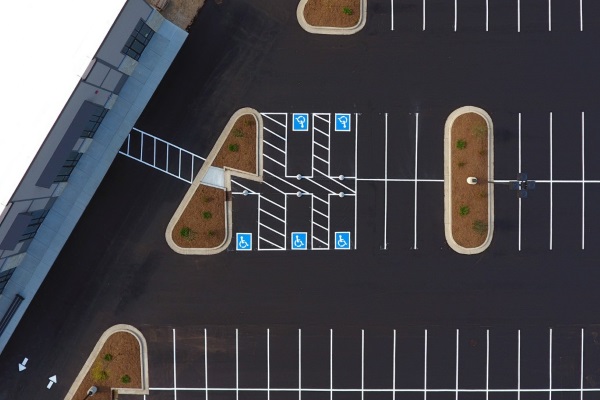
Fresh striping completes the project and improves safety. This is also the ideal time to reassess layout and compliance needs.
- Confirm ADA-compliant accessible parking counts and sizes
- Repaint crosswalks, stop bars, and directional arrows for clear traffic flow
- Add high-visibility markings near entrances and pedestrian routes
- Check fire lanes and loading zones for visibility
- Consider wheel stops, bollards, or signage where needed
Weather and Seasonal Challenges in Southeast Wisconsin
Southeast Wisconsin sees freeze and thaw cycles, snow, and de-icing. These conditions add stress to pavement. A tight maintenance plan centered on asphalt sealcoating helps the lot withstand winter and bounce back in spring.
- Freeze and thaw expands small cracks into larger failures
- Snowplows can scrape unprotected surfaces and damage markings
- Salt and chemicals can stain and dry out asphalt over time
- Standing water from snowmelt accelerates base deterioration
After winter, inspect the lot for new cracks and wear. Schedule crack sealing and cleaning early, then plan your sealcoat in the warmer months. Good drainage and timely repairs paired with regular sealcoating make a big difference in lifespan.
Common Mistakes to Avoid
- Sealing over a dirty or wet surface which prevents bonding
- Applying when temperatures are too low or rain is in the forecast
- Using thick, heavy coats that cure unevenly and scuff easily
- Skipping sand which reduces traction in busy turning areas
- Ignoring oil spots that cause peeling
- Skipping crack sealing which allows water to undermine the base
- Reopening to vehicles too soon which leaves ruts and marks
- Overlooking shaded areas that need longer cure times
- Neglecting drainage which leads to puddles and premature wear
Budgeting and ROI of Asphalt Sealcoating
What Drives Cost
- Total square footage and phasing needs
- Amount of crack filling and patching required
- Type of sealer and additives selected
- Traffic control complexity and scheduling windows
- Line striping scope and ADA updates
Compared to resurfacing or full reconstruction, routine asphalt sealcoating and small repairs are cost-effective. Keeping the surface sealed slows oxidation and water damage, extending the life of the pavement. The result is fewer large capital projects and a better experience for customers and tenants.
Why Partner With Asphalt Contractors
Asphalt Contractors Inc., established in 1979, is a full-service paving contractor based in Union Grove, Wisconsin. With over four decades of experience, Asphalt Contractors has built a reputation for delivering high-quality asphalt and concrete solutions for residential and commercial clients. We serve Southeast Wisconsin, including Racine, Kenosha, Walworth, Waukesha, and Milwaukee counties. Our services include asphalt paving, maintenance, milling and pulverizing, concrete construction, site preparation, asphalt manufacturing, specialty services, and crushing. Because Asphalt Contractors manufactures its own asphalt, our clients benefit from consistent quality and cost control. Our crews use top-tier equipment and certified practices to finish projects efficiently and to the highest standards.
- Scheduling flexibility for night and weekend work to keep your business open
- Experienced project management to phase large and busy lots
- In-house materials that meet strict quality control
- Certified crews focused on safety, durability, and clean workmanship
- Comprehensive solutions including crack sealing, patching, and striping
- Local expertise with Wisconsin weather and best practices
Our Process for Busy Parking Lots
- Site assessment and consultation to understand traffic patterns, goals, and constraints
- Phased plan for minimal disruption with clear traffic control and communication
- Surface prep including cleaning, crack sealing, and patching
- Asphalt sealcoating with the right product blend and sand for traction
- Line striping and layout updates for safety and compliance
- Final walkthrough and maintenance plan to protect your investment
FAQs About Asphalt Sealcoating
- How long does sealcoating last in a busy lot? In heavy use areas, expect 1 to 2 years. Moderate areas often last 2 to 3 years. Sun, traffic, and maintenance all affect lifespan.
- How soon can we drive on the surface? Many lots reopen in 24 to 48 hours. Shaded or cool areas need longer. We will give a tailored reopening schedule for your site.
- Can you work in phases so we stay open? Yes. Asphalt Contractors will phase the lot, schedule off-peak hours, and set up clear traffic control to maintain access.
- Do we need crack sealing before sealcoating? Yes. Crack sealing is essential to keep water out and prevent base damage. It should be done before sealer is applied.
- What about oil stains and high-traffic turns? We prime oil spots so sealer bonds, and we use sand-rich mixes in turn zones and entrances to improve wear and traction.
- When should new asphalt be sealed? Allow 6 to 12 months for curing, depending on conditions. Then begin a regular asphalt sealcoating schedule.
- Will snowplows damage a new sealcoat? Properly set plow blades and gentle techniques reduce risk. Avoid plowing during the first heavy storm after sealing if possible, and use rubber-tipped blades where practical.
- Is asphalt sealcoating environmentally friendly? Modern emulsion sealers and best practices reduce odor and environmental impact. We choose products and methods suited for local regulations and site needs.
- Can you update ADA striping during the project? Yes. We confirm accessible counts and dimensions, add required markings, and improve routes for compliance and safety.
Protect Your Parking Lot With a Plan
A busy parking lot takes a daily beating from sun, weather, and traffic. A thoughtful plan that combines asphalt sealcoating, crack sealing, timely patching, and clear striping will keep your pavement safe, attractive, and cost-effective for years. Whether you run a retail center, medical office, school, or industrial facility, planning ahead is the key to less downtime and better results.
Partner with Asphalt Contractors to schedule your project. We will evaluate your lot, build a phased plan, and deliver durable work with minimal interruption. Contact Asphalt Contractors today to get started and keep your parking lot protected, safe, and looking new.