
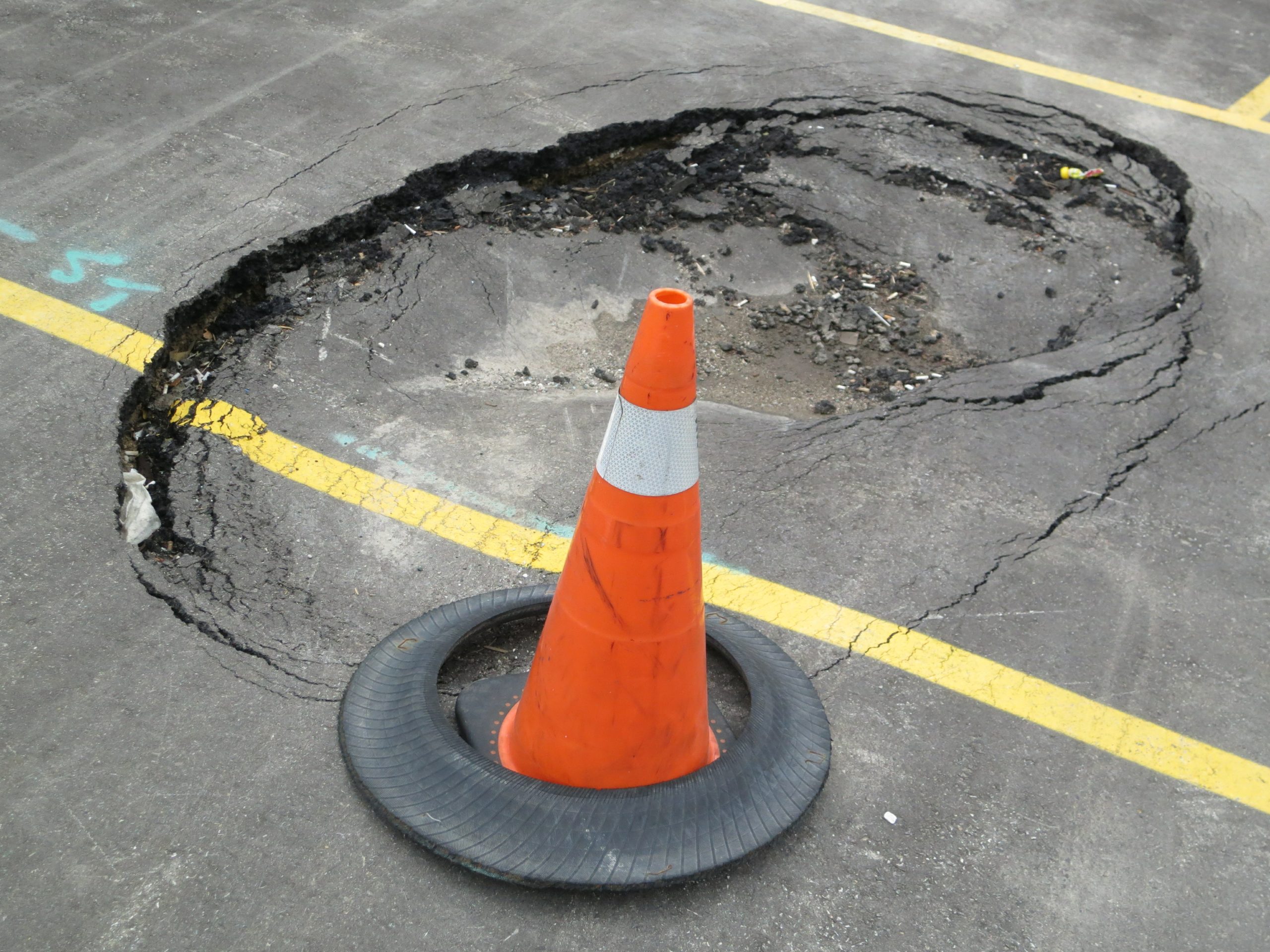
Why Potholes Are More Than a Nuisance
Potholes look simple. A small depression becomes a bigger hole, water sits, vehicles bounce, and complaints start to roll in. But behind every pothole is a legal risk. If someone trips, a biker falls, or a car is damaged, the property owner or manager can face a claim. Courts often ask a few key questions. Did you know about the hazard, or should you have known? Did you act in a reasonable time frame? Did you document inspections and repairs? The answers depend on how you manage your pavement. That is why working with experienced asphalt repair contractors and using a clear checklist matters just as much as the patch itself.
This guide explains where liability comes from, what steps reduce risk, and how to build a paper trail that stands up to scrutiny. If you manage a facility in Southeast Wisconsin, Asphalt Contractors can help you assess, prevent, and repair potholes quickly and correctly.
Who Can Be Held Responsible for Pothole Injuries or Damage
Responsibility often falls on the person or entity that controls the premises. It can also be shared. Knowing where you stand helps you plan and budget for maintenance before an incident happens.
- Property owners and landlords often have the main duty to maintain lots and drives in a reasonably safe condition.
- Property managers, homeowners associations, or facility directors may share responsibility depending on contracts.
- Commercial tenants can be liable if lease terms give them control over the lot or specific areas.
- Snow and ice vendors may have duties tied to surface condition, drainage impacts, or plow damage, based on their contract.
- Municipalities are responsible for public streets, but private approaches, access roads, and parking areas usually fall to the owner or operator.
When lines blur, documentation and contracts decide outcomes. That is why partnering with asphalt repair contractors who understand maintenance standards and recordkeeping is so important.
Your Pothole Liability Checklist
1. Understand Your Duty of Care
Liability cases hinge on the reasonableness of your actions. Reasonableness means you inspected at appropriate intervals, responded to hazards promptly, and followed accepted practices. It also means you used qualified asphalt repair contractors when repairs were needed. Ask yourself these questions.
- Do you have a written inspection schedule tied to traffic levels and seasons?
- Do you have a process to receive and track complaints?
- Do you have response goals for hazards based on severity?
- Do you follow state and local standards and consider ADA access?
2. Inspect and Document on a Schedule
Make inspection a routine. Your schedule should change by season and use. Lots that serve schools, hospitals, grocery stores, or high turnover retail need more frequent checks. Heavier vehicle paths deteriorate faster. Winter and spring require special attention.
- Walk and drive the site monthly during high-use seasons and after freeze-thaw periods.
- Use a simple map to mark defects like potholes, cracks, rutting, standing water, and raveling.
- Photograph hazards with timestamps and basic dimensions.
- Log weather, traffic volumes, and any recent utility work or plowing.
- Record actions taken such as cones, barricades, or cold patch along with dates.
- Note repair orders and completion dates with contractor names.
These records show that you noticed hazards and acted. They are powerful in a claim. Asphalt Contractors offers inspection templates you can adapt to your site so your files are consistent and easy to maintain.
3. Triage and Prioritize Repairs
Not every defect carries the same risk. A small pothole in a remote corner is different from a deep hole on the main drive aisle. Rate each issue by hazard level and traffic exposure, then assign a target response.
- High risk: Deep potholes, lip edges over half an inch, holes in pedestrian paths, entries, ADA routes, or drive aisles. Secure within hours and schedule repair within 24 to 72 hours when weather allows.
- Medium risk: Moderate potholes and alligator cracking in lower traffic areas. Monitor weekly and schedule repair within one to two weeks.
- Low risk: Minor depressions and early cracks. Monitor monthly and repair in the next maintenance cycle.
Clear triage keeps crews focused and provides a defensible timeline if something happens while a repair is pending.
4. Choose the Right Repair Method
Quick fixes help in a pinch, but long-lasting repairs reduce repeat exposure. Skilled asphalt repair contractors select methods that match the cause, weather, and pavement structure.
- Cold patch: Useful as a short-term emergency fix in cold or wet conditions. It should be replaced with a permanent repair as soon as practical.
- Hot mix patch: A standard choice for durable pothole repair when temperatures and surface conditions allow. Good compaction is key.
- Full-depth patch: Best when base failure or severe fatigue cracking exists. Crews remove weak material, rebuild the base, and place new asphalt.
- Infrared repair: Heats existing asphalt, blends in new mix, and compacts to create a seamless patch. Effective for edges and shallow failures.
- Milling and overlay: Addresses widespread distress by removing a set depth and placing a new mat. Good for large areas with consistent wear.
Because Asphalt Contractors manufactures its own asphalt, our teams can mobilize quickly with consistent material quality. That means faster response and better performance, especially during peak season.
5. Fix the Root Cause, Not Just the Hole
Most potholes begin with water. If drainage is poor or the base is compromised, you will see repeat failures. Ask your contractor to diagnose the cause before repair.
- Correct drainage: Clean or add catch basins, regrade low spots, and improve slopes toward inlets.
- Rebuild base: Replace soft or saturated base materials and compact in lifts.
- Seal cracks: Crack seal keeps water out and extends pavement life.
- Protect the surface: Sealcoat on the right cycle protects against oxidation and water penetration.
A repair that solves the cause reduces risk in the long run. It also lowers total cost of ownership by spacing out major capital work.
6. Secure the Area Until Permanent Repair
Temporary control is part of reasonable care. If you cannot repair immediately, reduce risk.
- Place cones or barricades around deep holes.
- Use high-visibility paint to mark hazards for drivers and pedestrians.
- Add clear signage like Caution Uneven Surface or Slow Pothole Area.
- Provide a safe detour for foot traffic, especially on ADA routes.
- Document all steps with photos and dates, then follow through with permanent repair.
7. Winter Strategy: Potholes in Snow and Freeze-Thaw
Winter accelerates potholes. Water expands when it freezes, plow blades catch edges, and deicers can worsen surface wear. Plan ahead.
- Agree with your snow vendor on blade shoes and stacking areas to reduce surface damage.
- Schedule mid-winter inspections during thaws to catch new holes early.
- Use high-quality cold patch as an interim fix and compact it well.
- Mark known weak spots with reflective stakes before heavy snowfall.
Asphalt Contractors works closely with facility teams to coordinate winter fixes and spring follow-up so temporary patches are replaced with permanent repairs quickly.
8. Keep ADA and Access Top of Mind
Uneven surfaces, abrupt level changes, and ponding water can impede access and trigger ADA-related claims. Review accessible routes frequently and respond fast.
- Target a quarter inch or less for vertical changes in accessible routes and crosswalks.
- Keep slopes within standards near ramps and accessible parking.
- Repair depressions that collect water at curb ramps and access aisles.
Include ADA checks in every inspection round and photograph compliant conditions after repair. This provides strong evidence of due care.
9. Vet Your Asphalt Repair Contractors
Your risk strategy is only as strong as the team doing the work. Choose asphalt repair contractors with the right credentials and protections.
- Ask for proof of insurance with adequate limits and additional insured status.
- Review safety programs, training, and relevant certifications.
- Confirm experience with full-depth repair, drainage, and ADA-sensitive work.
- Request references and example reports with photos and material specs.
- Seek clear communication on schedules, staging, and traffic control.
Asphalt Contractors Inc. brings over four decades of experience in Southeast Wisconsin. Our crews use top-tier equipment, and we manufacture our own asphalt for quality control and cost savings. We serve Racine, Kenosha, Walworth, Waukesha, and Milwaukee counties with reliable scheduling and responsive service.
10. Tighten Contracts and Insurance
Well-written contracts reduce disputes and allocate risk properly. Work with your legal and insurance teams to confirm.
- Scope: Define inspection support, emergency response times, and permanent repair standards.
- Indemnification: Set fair, mutual terms tied to each party’s negligence.
- Certificates of insurance: Require current COIs with additional insured endorsements and primary noncontributory wording where appropriate.
- Warranties: Get written warranties on material and workmanship with clear start dates and exclusions.
- Change orders: Document all out-of-scope work with photos before proceeding.
11. Plan a Pavement Management Program
Pavement fails faster without proactive care. A simple plan spreads cost over time and reduces emergency repairs that expose you to claims.
- Inventory assets by area and condition.
- Address drainage and base issues early.
- Crack seal annually as needed.
- Sealcoat on a three to five year cycle, depending on use.
- Mill and overlay or reconstruct when beyond spot repairs.
- Budget for a rolling five-year plan with contingencies for weather events.
Asphalt Contractors builds lifecycle plans that combine quick wins with long-term strategies. By aligning repairs with budgets and seasons, you cut risk and avoid business disruption.
12. Prepare an Incident Response Protocol
Even with the best program, incidents can happen. A calm, documented response helps people and protects your position.
- Secure the scene and assist anyone injured. Call for medical help when needed.
- Gather facts. Take wide and close-up photos of the area, including measurements, lighting, and any signage or barricades.
- Collect witness names and contact details. Avoid admitting fault.
- Preserve physical evidence like broken materials or loose aggregate.
- Notify insurance and your asphalt repair contractors for prompt evaluation and corrective action.
- Log all steps, times, and communications in your maintenance file.
13. Keep Records That Stand Up in Court
Good records show a pattern of care. Keep these files for each property.
- Inspection logs with dates, initials, and findings.
- Work orders, proposals, material tickets, and as-built photos.
- Email and phone logs of complaints and your responses.
- Invoices and warranty documents from contractors.
- Incident reports and follow-up actions taken.
Keep records for the statute of limitations period in your state, and longer if your counsel advises. Asphalt Contractors can provide digital photo logs and closeout packets that make storage simple.
Common Pothole Questions
How fast should I repair a pothole after it is reported?
Secure severe hazards the same day with cones or barricades. For high-risk locations, target a permanent repair within 24 to 72 hours when weather and plant operations allow. Medium-risk issues can be scheduled in one to two weeks. Document all actions and keep the area marked until work is complete.
Can a temporary cold patch protect me from liability?
Cold patch is helpful but temporary. It shows you took immediate action, which supports a reasonable response. Replace it with a permanent hot mix or structural repair as soon as conditions allow. Inspect temporary patches often since traffic can loosen them.
What if weather prevents hot mix repairs?
Use well-compacted cold patch, improve signage, and restrict traffic where possible. Keep records and schedule permanent repair when temperatures and moisture conditions improve. Asphalt Contractors can advise on interim measures and schedule fast turnaround once hot mix is available.
Why do the same spots keep forming potholes?
Repeat failures usually point to base or drainage problems. Water in the base weakens support and leads to rapid surface breakdown. A full-depth repair with base reconstruction and drainage correction is the long-term fix.
Are businesses liable for tire or wheel damage from potholes in their lots?
They can be, especially if the hazard was known or should have been discovered with reasonable inspections. The best defense is a documented maintenance program and prompt, well-executed repairs by qualified asphalt repair contractors.
Why Choose Asphalt Contractors in Southeast Wisconsin
Asphalt Contractors Inc. has served Southeast Wisconsin since 1979. From Union Grove, our crews support Racine, Kenosha, Walworth, Waukesha, and Milwaukee counties with responsive service and consistent results. We are a full-service paving contractor that handles asphalt paving, maintenance, milling and pulverizing, concrete construction, site preparation, asphalt manufacturing, specialty services, and crushing. By manufacturing our own asphalt, we control quality, manage costs, and speed up emergency response when potholes pop up during peak traffic or tough weather.
Here is how we reduce your risk and protect your reputation.
- Fast response: Emergency patching and permanent repair scheduling that fits your operations.
- Right repair first: Field assessments that target root causes so the same holes do not come back.
- Clear documentation: Before and after photos, material tickets, and closeout packets for your records.
- Safety and access: ADA-aware planning, traffic control, and pedestrian routing during work.
- Total lifecycle support: Crack sealing, sealcoating, overlays, and reconstruction guided by a multi-year plan.
Whether you manage retail centers, schools, healthcare facilities, or industrial sites, our team adapts to your schedule and constraints. You get a partner who understands both pavement performance and liability prevention.
Action Plan: Reduce Risk From Potholes Today
Getting ahead of potholes is simpler than it seems. Start with a focused plan and the right help.
- Schedule a site assessment. Map current defects and identify high-risk areas.
- Set an inspection routine with seasonal adjustments. Assign responsibility and backups.
- Create a triage chart with clear response times for high, medium, and low risks.
- Line up trusted asphalt repair contractors with defined emergency procedures.
- Address drainage and base issues alongside surface repairs.
- Implement a pavement management program with a five-year budget.
- Build an incident response kit with forms, cones, and signage ready to deploy.
If you need support in Southeast Wisconsin, Asphalt Contractors is ready to help. We combine practical field know-how with robust documentation so your maintenance program is defensible and your pavements are safe and smooth.
Partner With Asphalt Contractors
Potholes are more than bumps in the road. They are a visible sign of risk that can lead to injuries, vehicle damage, and costly claims. With the right plan and a reliable contractor, you can prevent most problems and respond quickly when issues arise. Asphalt Contractors brings decades of experience, in-house asphalt manufacturing, and a full suite of services to keep your pavements performing. From urgent pothole repairs to long-term pavement management, our team helps you protect people, budgets, and brand reputation.
Ready to reduce liability and extend pavement life across Racine, Kenosha, Walworth, Waukesha, and Milwaukee counties? Contact Asphalt Contractors for a site assessment and a clear, customized maintenance plan. Your pavement will last longer, look better, and help keep you out of court with a strong record of care supported by skilled asphalt repair contractors.