Asphalt milling can slash maintenance costs, extend pavement life, and improve curb appeal. Discover savings for your business and request a free quote today. If you manage a commercial property, warehouse, retail center, or industrial yard, you know pavement costs add up fast. Repairs pile on top of disruptions, and the longer you wait, the more expensive the fix becomes. The good news is that asphalt milling offers a smart way to restore worn surfaces while protecting your budget. In many cases it delivers the function and look of a new lot without the cost and waste of full reconstruction.
At Asphalt Contractors, we help businesses across Southeast Wisconsin decide when asphalt milling is the right move. With more than four decades of experience and our own asphalt manufacturing capabilities, we can guide you to a solution that reduces lifecycle costs and keeps your operation moving. Below, we break down how asphalt milling works, where the savings come from, and how to determine if it is the best fit for your site.
What Is Asphalt Milling?
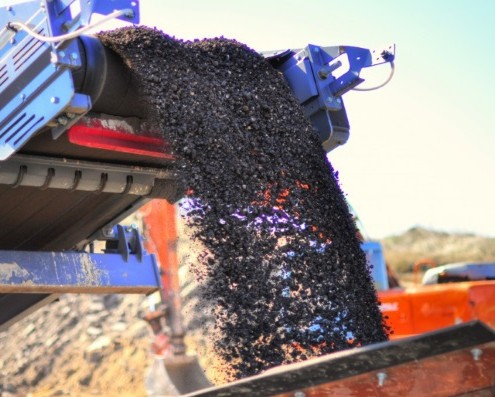
Asphalt milling is the process of removing a controlled layer of an existing asphalt surface with a specialized machine called a milling machine or cold planer. The machine uses a rotating drum fitted with hardened teeth to grind the pavement to a set depth. The reclaimed asphalt pavement, often called RAP, is conveyed to trucks for recycling. After milling, a fresh asphalt layer is paved over the milled surface to create a stronger, smoother, and safer driving or parking surface.
Unlike complete removal, asphalt milling leaves the base layers intact when they are in good condition. That means less excavation, fewer materials, and a quicker turnaround. It also allows us to maintain or fine tune elevation, cross slope, and drainage without raising surface heights that can create trip hazards or interfere with curbs, doors, or ADA transitions.
Milling is not the same as pulverizing. Pulverizing grinds the asphalt and a portion of the base together to create a blended material you can regrade. Milling targets only the asphalt layers, which is usually the most cost effective choice when the base is sound.
The Financial Case for Asphalt Milling
Direct Cost Savings You Can See
- Lower material use. Milling removes only the failed or oxidized surface, then replaces it with new asphalt. You buy less new material than with full reconstruction.
- Reduced trucking and disposal costs. Reclaimed asphalt is recycled. Asphalt Contractors repurposes RAP into new mixes, which cuts disposal fees and material costs for our clients.
- Shorter project timelines. Because we do not rebuild the base, milling projects finish faster. Every day saved reduces traffic control, labor, and equipment hours.
- Avoids expensive utility and curb adjustments. Milling keeps elevations in check so you rarely need to raise manholes, replace curbs, or rebuild ADA ramps.
- Optimized paving thickness. We match the new overlay to your load needs. No guesswork or overbuilding, which saves you money without risking performance.
Indirect Savings That Add Up
- Less downtime for your business. Faster work means fewer closed lanes or blocked loading docks. We can phase work so you keep operating.
- Improved safety and fewer claims. Milling removes ruts, shoving, and uneven surfaces that cause slips and vehicle damage. Safer lots lower your liability risk.
- Better drainage reduces damage. Correct cross slopes and smooth transitions move water off the surface. Less standing water means fewer freeze and thaw cracks.
- Stronger curb appeal. Fresh pavement and crisp striping elevate your brand. A clean lot can improve customer perception and tenant satisfaction.
Long Term ROI and Pavement Life Extension
Asphalt milling extends the life of your pavement structure by removing the weak top layer and bonding a new wear surface to a strong, clean base. With proper thickness and preventative maintenance, a milled and overlaid lot often lasts 10 to 15 years or more, depending on traffic and climate. That delay in full reconstruction translates to major savings across the life of your property.
Consider a simple scenario. A 75,000 square foot lot has extensive surface cracking and ruts but a stable base. Full reconstruction might cost far more because it requires excavation, base replacement, and new asphalt in multiple lifts. A mill and overlay removes the top 1.5 inches and replaces it with a new surface course. The upfront investment is lower, you reopen sooner, and you still get a like new finish. When you factor in less downtime, fewer change orders, and lower long term maintenance, milling often wins on total cost of ownership.
Milling vs Overlay vs Reconstruction
When Milling Beats a Simple Overlay
Some owners consider skipping milling and placing new asphalt directly over old pavement. While an overlay can work in the right situation, it is not always the best choice. Milling tends to be the smarter investment when any of the following apply:
- Drainage is poor and water ponds on the surface. Milling lets us reestablish proper slope.
- Surface elevation is already high near doors, curbs, or loading dock thresholds. Milling holds or lowers grades to avoid trip hazards or clearance issues.
- There are ruts, shoving, or delamination. Removing the damaged layer helps the new asphalt bond and perform.
- Cracks are too deep for crack filling to be effective. Milling cuts out the problem areas.
- Multiple overlays already exist. Another layer could cause reflective cracking and height problems.
When Full Reconstruction Is Needed
If your base is failing, asphalt milling alone cannot fix the root cause. Signs include widespread alligator cracking, pumping fines, or deep potholes that return soon after patching. In these cases, Asphalt Contractors may recommend pulverizing and regrading the base or full depth reconstruction. The right choice depends on soil conditions, drainage, and traffic loads.
A Hybrid Approach That Works
Many projects mix methods. For example, we can mill the majority of a lot, then undercut and rebuild isolated base failures. This approach targets dollars where they matter and avoids wasting materials on areas that still have a strong foundation.
Cost Factors That Influence Your Milling Price
Every site is unique. Your final cost will depend on several variables that we assess during a free site visit:
- Project size and layout. Square footage, shape, and the number of tie ins to buildings or curbs affect productivity.
- Milling depth. Typical depths range from 1 to 3 inches. Deeper milling requires more time and may involve binder corrections.
- Access and traffic control. Busy sites, night work, and complex phasing can add to labor and flagging costs.
- Subgrade repairs. If base repairs are needed in certain areas, we will outline them in your scope.
- Haul distances. Transporting RAP and bringing in new asphalt factors into logistics.
- Asphalt mix design. Heavy duty areas might require a thicker or different mix.
- Schedule and season. Spring and summer are peak paving months. Early planning secures optimal pricing and timelines.
Asphalt Contractors manufactures our own asphalt, which helps stabilize pricing and quality. By controlling production and using recycled content where appropriate, we pass savings on to you while meeting specifications.
How the Asphalt Milling Process Works
- Evaluation. Asphalt Contractors performs a detailed walkthrough. We review traffic patterns, elevations, drainage, and any areas of structural concern.
- Phasing plan. We build a schedule that minimizes business disruption. Work can be done in sections to keep key entrances open.
- Surface preparation. We mark utilities and important grade points. Temporary signage and traffic control are put in place.
- Milling. Our milling machine grinds the specified depth. RAP is loaded into trucks for recycling. We maintain a clean edge along gutters, sidewalks, and structures.
- Cleaning. We sweep and blow the milled surface to ensure excellent bonding.
- Tack coat. A bonding agent is applied to help the new asphalt adhere to the milled surface.
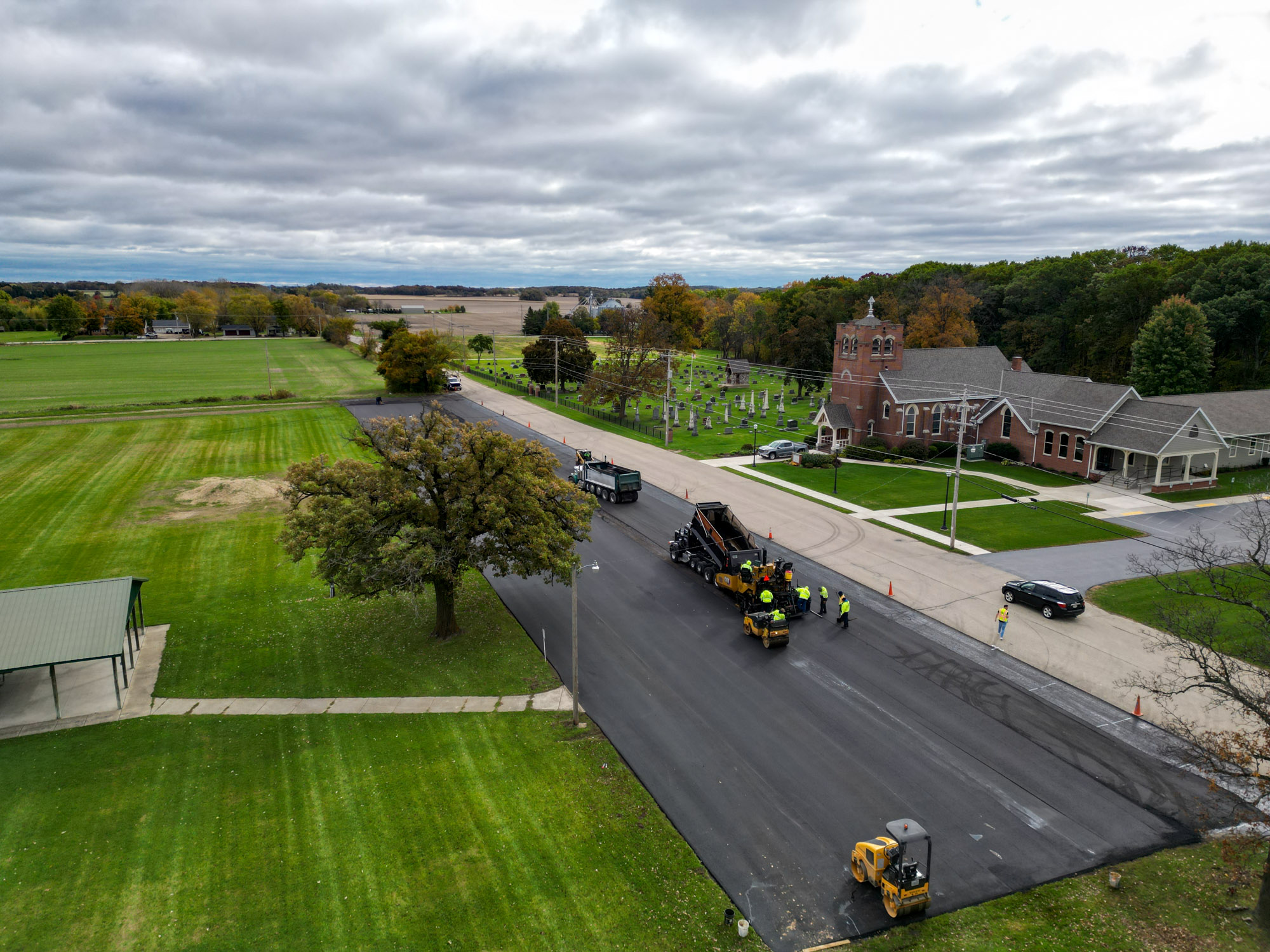
- Paving and compaction. Fresh asphalt is placed and compacted to the correct thickness and density. Joints are tight, smooth, and built to shed water.
- Striping and reopen. Once cooled, we restripe and reopen to traffic. You get a refreshed surface with like new performance.
For most commercial lots, milling and overlay can be completed in one to three days depending on size and complexity. Our goal is always to get you back in service quickly and safely.
Will Milling Disrupt My Business?
Asphalt milling is one of the least disruptive ways to restore pavement. The work is efficient, and we can phase areas to keep traffic flowing. Asphalt Contractors offers flexible scheduling, including night or weekend work when needed. We coordinate with property managers and tenants to plan staging, signage, and deliveries. Because we are both the milling and paving team, you avoid gaps between subcontractors that can slow a project down.
Sustainability Benefits That Also Save Money
Asphalt milling is an environmentally friendly process. The RAP we generate becomes valuable material in new asphalt mixes. This reduces demand for virgin aggregates and asphalt binder. Recycling cuts trucking, lowers emissions, and often qualifies for sustainability goals. Less waste and smarter resource use translate to cost efficiencies, which we share with our clients.
Is Your Lot a Good Candidate for Asphalt Milling?
You do not need to be an expert to spot the signs. If you see the following, asphalt milling could be the right solution for your property:
- Widespread surface cracking or raveling, but the base feels stable under traffic.
- Ruts or shoving in drive lanes from heavy braking or turning.
- Standing water or poor drainage after storms.
- Raised grades from past overlays that create trip edges or clearance problems.
- Oxidized, faded asphalt that is brittle at the top but sound below.
- Isolated base failures that could be repaired while most of the lot is milled and overlaid.
If you are unsure, Asphalt Contractors can perform a core sample and base evaluation. We will provide a clear plan that weighs cost, performance, and schedule.
Common Questions About Asphalt Milling
How deep should we mill?
Typical depths range from 1 to 2 inches for standard parking areas. Heavy duty lanes or severe ruts may need 2 to 3 inches. Depth is based on removing the damaged layer while preserving structural integrity and proper grades.
Will milling damage my base?
No. The milling machine targets only the asphalt surface. If we suspect base issues, we will address those spots with repairs before paving.
What happens to manholes and drains?
We mill flush around iron structures and adjust them as needed. Our goal is a smooth transition with correct inlets that promote drainage and reduce ponding.
How long does a milled and overlaid lot last?
With proper thickness, drainage, and routine maintenance, you can expect 10 to 15 years or more. High traffic or heavy trucks may shorten that window, while a good sealcoat and crack filling program will extend it.
Can milling help with ADA compliance?
Yes. By controlling elevation and cross slope, we can improve routes and parking stall access. We also restripe to current standards and can update signage as part of the project.
What about weather?
We schedule milling and paving during temperatures that allow proper compaction and bonding. In Wisconsin, that usually means spring through fall. We watch forecasts closely and adjust as needed to protect your investment.
Why Choose Asphalt Contractors Inc.
Asphalt Contractors Inc., founded in 1979, is a Union Grove based, full service paving contractor serving Racine, Kenosha, Walworth, Waukesha, and Milwaukee counties. We specialize in asphalt paving, milling and pulverizing, concrete construction, site preparation, asphalt manufacturing, specialty services, and crushing. Our team pairs certified expertise with top tier equipment to deliver quality that holds up in Wisconsin’s climate.
Because Asphalt Contractors manufactures asphalt in house, we control mix quality and cost. That advantage allows us to be competitive and consistent, even during busy seasons. Our process driven approach focuses on safety, tight scheduling, and clear communication. Whether you manage a single storefront or a large industrial park, we tailor a scope to your needs and budget.
A Sample Cost Comparison
Every property is unique, but the following example shows how asphalt milling can save money. Imagine a 100,000 square foot retail lot with ruts, oxidation, and poor drainage near entrances. The base is stable. You have two choices:
- Option 1: Full reconstruction. Remove existing asphalt, repair base across the site, and pave new asphalt in two lifts.
- Option 2: Mill 2 inches across most areas, undercut and rebuild base in a few failed spots, then place a 2 inch surface course. Reestablish cross slopes at key entrances.
Option 2 uses less new material, less excavation, and fewer labor hours. The project time is shorter, which reduces business disruption. Because milling fixes grades, stormwater sheds quickly, which protects the new surface. Over a 10 to 15 year window, you will likely spend less on crack repairs and potholes since the top layer is renewed and better compacted. While actual prices depend on market conditions and site specifics, we often see mill and overlay solutions come in significantly below full reconstruction while meeting performance goals.
Best Practices to Maximize Your Milling ROI
- Evaluate early. Do not wait until deep structural failures spread. Milling is most effective when the base remains sound.
- Match thickness to traffic. Heavier lanes may need additional thickness or a modified mix. Asphalt Contractors will help you design for real world loads.
- Address drainage. Fixing slopes and inlets during milling pays off over time by preventing water damage.
- Plan maintenance. After your project, budget for routine crack sealing and periodic sealcoat to extend life.
- Phase intelligently. Keep key entrances open and schedule during lower traffic periods to protect revenue.
How to Get Started
The easiest way to know if asphalt milling will save your business money is to schedule a free site assessment. Asphalt Contractors will inspect your pavement, identify risk areas, and provide a clear, written proposal that compares options and costs. We will walk you through the plan, explain schedule impacts, and outline a maintenance roadmap so you understand the full lifecycle of your investment.
Asphalt milling is a proven, cost effective strategy that can restore your lot, improve safety, and reduce long term spending. With the right contractor and a smart scope, you can achieve near new performance without a full rebuild. Contact Asphalt Contractors to request your free quote today and see how much you can save while upgrading the look and function of your property.