Alligator cracking on your asphalt? Find out if sealcoating can help or harm, the real fixes that last, and when to repair or replace. Read our expert guide now.
What Is Alligator Cracking?
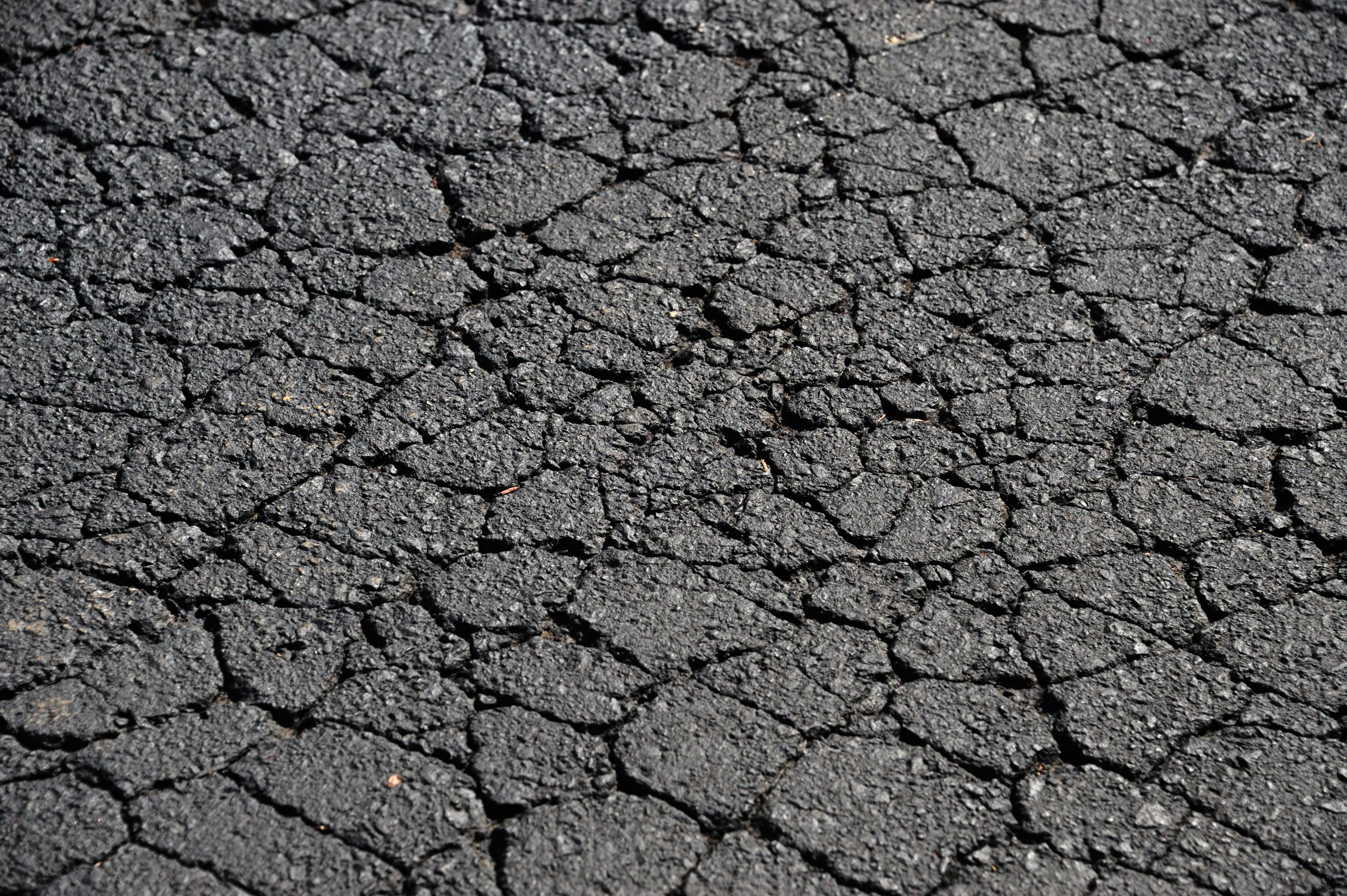
Alligator cracking is a pattern of connected cracks that looks like reptile skin. It often starts as fine lines, then spreads into small blocks that break apart. These cracks form when the pavement loses strength and flexes under traffic. The surface and the layers below it cannot carry the load, so the asphalt fractures. That is why alligator cracking is also called fatigue cracking.
Alligator cracking is different from other common cracks. Straight or wandering single cracks often come from shrinkage, temperature swings, or joints. Large rectangles across a wide area may be block cracking caused by aging. Alligator cracking almost always points to a structural problem under the surface. It does not mean the top is just dry. It means the base or subgrade is failing, the asphalt layer is too thin, or both.
Should You Sealcoat over Alligator Cracking?
The short answer is no. Sealcoating will not fix alligator cracking. Sealcoat is a thin protective layer. It keeps out water, shields from sunlight, and refreshes color. It is great for routine maintenance on sound pavement. But sealcoat does not add structure, bind failed pieces back together, or repair the base. Brushing or spraying sealer over a cracked, moving surface is like painting over a broken mirror. The cracks will reflect through, and the damaged area will keep getting worse.
What Sealcoat Can Do
- Slow oxidation from sun and air when the pavement is intact
- Resist water and minor chemical drips like oil or salt
- Improve traction with sand load and improve appearance
- Extend the life of good pavement when applied on schedule
What Sealcoat Cannot Do
- Restore strength to a weak base or subgrade
- Glue loose asphalt pieces together in fatigue zones
- Stop movement from heavy loads or rutting
- Seal wide interconnected cracks that open and close with traffic
Risks of Sealcoating over Alligator Cracking
- Traps water in the cracks, which speeds up base failure
- Hides critical distress, making it hard to see and fix the real problem
- Peels, flakes, or wears off fast due to movement underneath
- Wastes budget you could use on repairs that last
If you see a network of alligator cracking, focus on repair of the weak areas first. Then consider sealcoating only after the surface is sound again.
How to Diagnose the Severity of Alligator Cracking
Finding the right fix starts with a careful look at the pavement. Asphalt Contractors recommends a simple field check to understand how deep the problem goes.
- Clean the surface so you can see the full pattern of cracks.
- Watch for movement when a vehicle passes over the cracked area.
- Look for rutting or dips in the wheel paths that hint at base failure.
- Check after rain for pumping, which is water and fines coming up through cracks.
- Probe the edges for weak, broken, or raveled asphalt near the shoulder.
- Review drainage. Standing water near the area often drives faster failure.
- Consider traffic type. Heavy trucks put more stress on thin or old pavement.
Light Alligator Cracking
Light alligator cracking shows in small clusters, often near the edge or in a short stretch of a drive lane. The cracks may be tight, with little movement under a slow roll of a car. There is little to no rutting. In this case, the damage is still structural, but it may be limited to a small zone.
Best action is to remove and replace the affected asphalt and check the base in that spot. Crack seal or sealcoat alone will not solve it. A localized full-depth patch often restores strength and stops the spread.
Moderate Alligator Cracking
Moderate alligator cracking shows across longer sections with some rutting or pumping after rain. The area flexes under wheel loads. The joints around old patches may also break down. This indicates base issues and not just surface wear.
Best action is full-depth patching in all affected sections, possible underdrains if water is trapped, and a mill and pave if the distress is wide but not site-wide. A leveling course and proper compaction help reset the surface profile.
Severe Alligator Cracking
Severe alligator cracking covers large areas. Pieces of asphalt may rock or pop loose. Ruts and potholes form in wheel paths. You might see mud pumping up through cracks. This is a failure of the structural system across the area.
Best action is milling and overlay with base repairs, or full reconstruction if the subgrade is poor, the base is saturated, or the asphalt layer is far too thin for the traffic. A geogrid interlayer or fabric may be useful where specified, but only after fixing the base and drainage.
Proven Repair Methods That Last
Asphalt Contractors repairs alligator cracking with methods matched to the cause and severity. Here are the solutions that deliver lasting results.
Full-Depth Patching
Full-depth patching replaces the failed asphalt and fixes the base. It is the go-to repair for most alligator cracking.
- Mark the repair limits around all cracked and weak zones.
- Saw-cut clean, straight edges to create a solid joint.
- Excavate the asphalt to full depth and remove soft base material.
- Rebuild the base with crushed aggregate and compact in thin lifts.
- Proof-roll to confirm support. Improve drainage if needed.
- Apply tack coat to vertical faces and base.
- Place asphalt in multiple lifts at the right temperature and compact to target density.
- Seal joints, let cool, then reopen to traffic. Stripe as needed.
Partial-Depth Patching
Partial-depth patching only replaces the surface layer. Use it when the base is sound and distress is shallow. It is rare for true alligator cracking because fatigue usually comes from below. A careful assessment is key before choosing this option.
Milling and Paving
Milling and paving removes a set thickness of asphalt and installs a new surface. It works when the base is correct and cracking is widespread but not driven by deep base failure. In some cases, a leveling course can remove ruts. A geogrid or fabric interlayer may reduce reflective cracking, but only if the structure below is strong and dry.
Base Stabilization and Drainage Improvements
If water is trapped or the base is weak, stabilize it first. Options include underdrain installation, improving surface drainage, adding and compacting more aggregate, or using cement or asphalt emulsion to treat the base. In large distressed areas, pulverizing the asphalt into the base, shaping, and compacting before overlay can rebuild support and save cost.
Repair vs Replace: How to Decide
It is not always clear if you should patch or rebuild. Consider lifecycle cost and risk. Asphalt Contractors helps owners weigh options with clear data and a site inspection.
- Repair if the cracking is isolated, the base is stable, and drainage is good. Expect strong value from full-depth patches and a fresh surface treatment when needed.
- Rehabilitate with mill and pave if fatigue is common but the base checks out. This often restores function without a full rebuild.
- Reconstruct if alligator cracking is severe and site-wide, the base is soft or saturated, or traffic loads exceed the current design. Reconstruction resets the structure for long service life.
Think long term. A quick surface fix may look good for a season, but if the base is failing the problem returns. Thoughtful repairs protect your budget and reduce downtime.
The Real Role of Sealcoating
Sealcoating is still important. It is just not a cure for alligator cracking. Use it to protect sound pavement after structural issues are fixed.
- Timing: Allow new asphalt to cure. In most cases wait 90 days or through a full season.
- Frequency: Many lots benefit from sealcoating every two to three years, depending on traffic and sun exposure.
- Materials: Choose a sealer approved for your region. Add sand for traction. Follow mix and weather guidelines.
- Preparation: Clean thoroughly, address oil spots, and make small repairs before sealer is applied.
Applied at the right time, sealcoating extends pavement life and boosts curb appeal. Applied over fatigue areas, it wastes money and can trap water. Sequence matters. Repair first, then seal.
How to Prevent Alligator Cracking
Most alligator cracking starts with weak support or loads that exceed the design. A few smart steps reduce risk.
- Design thickness based on real traffic, including heavy trucks and delivery routes.
- Prepare the subgrade and base well. Compaction and proper aggregate matter.
- Ensure positive drainage. Keep water away from the pavement and base.
- Protect edges. Provide shoulders or edging so traffic does not break off the sides.
- Seal cracks early to keep water out of the base.
- Limit heavy loads in hot weather when asphalt is more flexible.
- Follow a maintenance plan that includes routine inspections and sealcoating on schedule.
In Southeast Wisconsin, freeze thaw cycles add stress. Good drainage, timely crack sealing, and seasonal checks help you stay ahead of damage before it becomes fatigue cracking.
Why Choose Asphalt Contractors
Asphalt Contractors Inc., based in Union Grove, Wisconsin, has served homeowners, property managers, and businesses since 1979. Our team delivers complete solutions for asphalt and concrete projects across Racine, Kenosha, Walworth, Waukesha, and Milwaukee counties. We manufacture our own asphalt, which gives you consistent quality and real cost savings. With top-notch equipment and certified crews, Asphalt Contractors completes work efficiently and to high standards.
Our services cover every step your project may need. Asphalt paving, maintenance and sealcoating, milling and pulverizing, concrete construction, site preparation, asphalt manufacturing, specialty services, and crushing are all under one roof. That means one accountable partner from evaluation through final striping.
For alligator cracking, Asphalt Contractors focuses on root-cause repairs. We assess the pavement, test base support when needed, and create a plan that fits your budget and goals. From full-depth patching to mill and overlay to full reconstruction, we recommend what will last, not just what looks good today. We also stand behind our work and offer maintenance plans to protect your investment.
If you manage a facility or HOA, ask about phased repair programs. These plans target the worst areas first, reduce disruption, and spread costs over time while preventing further damage.
Common Questions about Alligator Cracking and Sealcoating
- Can I fill alligator cracks with crack sealer? Crack sealing is meant for isolated linear cracks that move slightly. It does not work on the dense network of fatigue cracks. Alligator areas need full-depth patching or larger structural repairs.
- Will a thick coat of sealer hold the surface together? No. Sealcoat adds almost no structural strength. On moving cracks it will split and peel.
- What if I use a hot mix skin patch over the area? A thin skin patch over a weak base often fails fast. The movement below breaks the new layer. Fix the base first.
- How long will a full-depth patch last? When designed and compacted correctly on a stable base, a full-depth patch can last many years and blend into the pavement life cycle.
- Should I wait until spring to fix alligator cracking? Safety and drainage come first. If the area is hazardous, perform temporary stabilization. Permanent repairs are best done in proper weather, which in Wisconsin is often spring through fall.
- When is a mill and overlay enough? If the base is sound and fatigue is mostly in the top layer, milling and paving can be a cost-effective fix. A professional evaluation will confirm if the base can carry traffic loads.
- When should I sealcoat after repairs? Generally after a 90-day cure for new asphalt, weather permitting. Follow manufacturer and contractor guidance for the best results.
A Step-by-Step Path to a Solid Pavement
- Schedule a site visit with Asphalt Contractors for a thorough assessment.
- Identify drainage problems, base issues, and traffic patterns.
- Map alligator cracking and prioritize zones by severity and risk.
- Select the right repair method for each zone, from full-depth patching to mill and pave or reconstruction.
- Restore drainage and shoulder support to prevent repeat failures.
- Finish with a maintenance plan that includes timely crack sealing and scheduled sealcoating on sound pavement.
Following this path protects your budget and improves the life of your pavement. Cutting corners with surface-only fixes will cost more in the long run.
Get a Professional Evaluation
If you see alligator cracking, do not cover it with sealer and hope for the best. Bring in a trusted local partner. Asphalt Contractors has the experience, equipment, and in-house materials to repair your pavement the right way. We serve Southeast Wisconsin with responsive crews and proven solutions. Contact Asphalt Contractors today to schedule an on-site evaluation and receive a clear, cost-effective plan to restore your asphalt and keep it strong for years to come.