When Parking Lot Patching vs Replacement Becomes a Critical Choice
Small cracks and occasional potholes are normal in any paved surface, but every property reaches a point when simple patching is no longer enough. If you are weighing parking lot patching vs replacement, the right decision will protect your budget, your brand, and your visitors. This guide explains how to spot the red flags that patching cannot solve, the hidden costs of waiting too long, and the best way to move forward with a long lasting fix.
Patching or Replacing: What Each Option Really Does
What patching is designed to fix
Patching targets isolated failures. Crews clean the damaged area, remove loose asphalt, and place new hot mix or cold patch material. It is a fast, localized fix for single potholes, a few linear cracks, or small areas that have begun to ravel. When used at the right time, patching is affordable and keeps water out of the pavement structure.
What replacement solves
Replacement addresses the structure of your parking lot. Depending on the condition, this could mean milling and overlaying the surface, full depth reclamation to rebuild the base, or full reconstruction. Replacement corrects widespread damage, drainage problems, uneven grades, and base or subgrade failures that patching cannot touch. When your pavement is near the end of its service life, replacement restores performance and safety.
10 Signs Patching Won’t Cut It Anymore
1. Alligator cracking across large areas
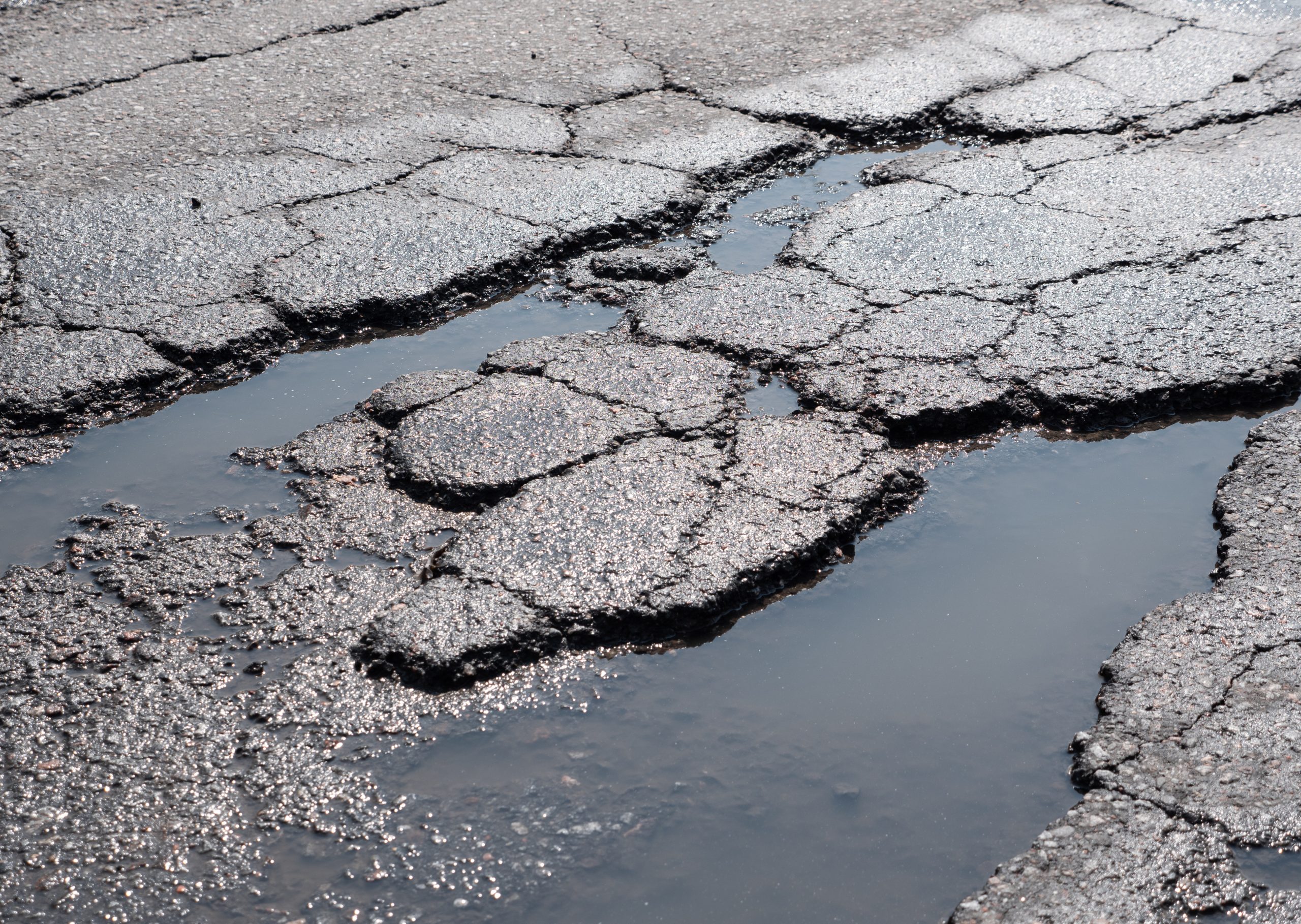
Fine, interconnected cracks that look like alligator skin signal fatigue failure. The structural layers are tired or water has weakened the base. Patching the surface may look better for a short time, but new cracks will usually appear nearby. When alligator cracking covers more than a small section, replacement or deep repairs are the only lasting fix.
2. Pothole clusters that keep coming back
One pothole is usually patchable. A cluster of potholes, especially if they reappear after a season, tells you there is a deeper issue. Water may be pooling under the surface, the base could have been underbuilt, or freeze thaw cycles have fractured the pavement system. At this stage, parking lot patching vs replacement often tips toward replacement.
3. Widespread raveling and loose aggregate
When the top layer of asphalt loses fines and stones come loose, the binder has oxidized. Raveling lets water in and snowplows can peel away more material. If raveling is present across a large percentage of the lot, a new surface course is usually more effective than chasing every spot with a patch.
4. Rutting and depressions in wheel paths
Visible ruts show that the pavement layers are deforming under traffic. Patching does not restore the original structure or load carrying capacity. If ruts are broad or deep, you likely need milling to remove the deformed material and a new lift with proper compaction. Severe rutting can require full depth repairs.
5. Standing water after rain or snowmelt
Water that lingers more than 48 hours points to grade problems, clogged drainage, or structural settlement. Water is the enemy of asphalt, especially in Wisconsin’s freeze thaw cycles. Patching does not fix slope or drainage. Replacement with proper grading, drainage structures, or underdrains will prevent the cycle of water damage.
6. Edge failures and crumbling along the perimeter
If the edges of your lot are breaking away and crumbling, it may indicate poor support at the shoulders or a weakened base. Edge patches tend to fail quickly because the underlying support is missing. A rebuilt edge with proper base and compaction is the best path forward.
7. Severe block cracking and aged surface
Block cracks are large square or rectangular cracks due to shrinkage and aging. When the lot is old and dried out, the binder has lost flexibility. Patching a few blocks does not restore flexibility or waterproofing. Mill and overlay or replacement provides a uniform, sealed surface.
8. Heaved or settled areas around utilities and catch basins
Raised or sunken sections around manholes, catch basins, or trenches point to subgrade issues or poor compaction after utility work. Patches placed directly over these areas rarely last. If you see a pattern of movement, plan on deeper repairs and structural rebuilding.
9. More than one third of the lot is patched already
When your surface looks like a quilt of old patches, you are likely past the point of diminishing returns. A high patch count means water can still find paths to the base, snow removal is rough on the edges, and the lot may look neglected. At this stage, parking lot patching vs replacement usually favors a new surface for both function and appearance.
10. Frequent trip hazards and liability concerns
Lip differences, spalled joints, and sunken patches create risk. If you are managing cones and paint around hazards, it is time to think bigger than patching. A replacement eliminates hazards, improves ADA compliance, and reduces your exposure to claims.
Why Patching Beyond Its Limits Costs More
It is tempting to patch one more time, but there are hidden costs when patching is not the right tool. Water infiltration increases, which leads to faster base failure. Snowplows hook on patch edges and create more damage. Your maintenance team spends time revisiting the same spots. The lot looks worn, which impacts customer perception and tenant satisfaction. Most importantly, reactive patching delays needed structural work and can increase the eventual scope and cost of replacement.
How to Decide: A Simple Framework
Use the 20 30 40 rule of thumb
- If less than 20 percent of the surface has distress and the base is sound, patching and crack sealing may be enough.
- If roughly 20 to 40 percent of the surface shows interconnected cracking or raveling, milling and overlay often provides the best value.
- If more than 40 percent is distressed or you see structural failures, plan for deeper repairs or full reconstruction.
Consider age, traffic, and climate
In Southeast Wisconsin, asphalt parking lots typically last 15 to 25 years with proper care. Heavy truck traffic, poor drainage, and harsh winters push the lifespan to the lower end. If your lot is already beyond its expected life and new problems keep appearing, replacement is usually the smarter play.
Test the base and subgrade
Before choosing parking lot patching vs replacement, a professional evaluation helps. Core samples and proof rolling show whether the base is stable or saturated. Identifying soft spots and drainage paths lets you design a fix that will last. Asphalt Contractors offers site evaluations that include visual inspection, measurement, and recommendations tailored to your lot.
Repair and Replacement Options Explained
Crack sealing and spot patching
Best for early stage issues. Crack sealing keeps water out. Infrared or saw cut patches handle isolated potholes. These methods are fast and budget friendly when used in the right context.
Mill and overlay
Crews mill the top layer, typically 1 to 2 inches, and place a new asphalt surface. This restores a smooth driving surface, fixes shallow rutting, and improves appearance. It is effective when the base is sound and distress is mainly at the surface.
Deep patch or full depth repair
For local base failures, contractors saw cut and remove all layers down to the subgrade, rebuild the base with stone, and place new asphalt lifts. This is used where rutting, repeated potholes, or utility cuts have undermined the structure.
Full depth reclamation
Reclamation pulverizes the existing asphalt and base together, blends it, and compacts it to form a new stabilized base. A fresh asphalt surface is then placed on top. This method recycles materials on site and is a strong option when the base is inconsistent but can be improved.
Full reconstruction
When subgrade soils are poor, drainage is inadequate, or grades must change, full reconstruction rebuilds the pavement from the ground up. This approach has the highest upfront cost but delivers the longest lifespan and the best long term value.
Wisconsin Climate Considerations
Southeast Wisconsin sees freeze thaw cycles, lake effect moisture, and deicing salts. These factors speed up cracking and moisture damage. Successful replacement in this region prioritizes drainage, correct base thickness, quality mix design, and proper compaction. Asphalt Contractors Inc. manufactures its own asphalt, which helps control mix quality and consistency for local conditions. This control translates to smoother installs and fewer callbacks.
What Sets Asphalt Contractors Apart
Since 1979, Asphalt Contractors Inc. has paved and maintained lots across Racine, Kenosha, Walworth, Waukesha, and Milwaukee counties. As a full service contractor based in Union Grove, our team handles everything from site preparation and grading to milling, asphalt manufacturing, concrete work, and final striping. Owning and operating our own asphalt plant helps us deliver consistent quality and cost savings for clients. Our crews use top tier equipment, and our certified experts follow best practices on compaction, joint construction, and drainage. When you choose Asphalt Contractors, you get a partner focused on long term performance, not just a quick fix.
Lifecycle Cost: Why Replacement Often Wins
Patching looks inexpensive at first, but repeated patches add up. If your lot needs patching and crack sealing every season, plus emergency pothole response each winter, you are spending money without improving the underlying structure. A mill and overlay or reconstruction spreads cost over a longer service life, reduces emergency repairs, and lowers risk. When you compare parking lot patching vs replacement over 5 to 10 years, replacement often delivers a lower total cost and a better customer experience.
Timing Your Project
In Wisconsin, the ideal window for paving is late spring through early fall when temperatures support proper compaction and curing. Schedule an assessment early to secure a spot in the paving calendar. If safety concerns are present, temporary measures can hold you over until the full project starts. Asphalt Contractors can phase work to keep sections of your lot open, reducing disruption to tenants and customers.
How to Prepare for a Replacement Project
- Request a site evaluation and written proposal with options.
- Review drainage and grading plans to eliminate standing water.
- Confirm pavement section thickness for expected traffic.
- Plan phasing and communication for tenants and visitors.
- Coordinate striping, signage, and ADA compliance.
- Schedule final walkthrough and maintenance plan.
Post Project Maintenance That Protects Your Investment
A new surface needs a simple, steady care plan. Seal cracks annually to keep water out. Sweep grit and debris so the surface does not abrade. Keep drains and catch basins clear. Re stripe as needed to maintain clear traffic flow. Consider sealcoating at the right interval based on traffic and exposure. Asphalt Contractors can build a maintenance schedule tailored to your lot, which helps extend service life and preserve curb appeal.
Common Mistakes to Avoid
- Patching structural failures instead of rebuilding the base.
- Ignoring drainage and grade, which invites repeat damage.
- Buying on price alone without checking mix quality and compaction methods.
- Delaying beyond another winter, then paying more after additional freeze thaw cycles.
- Skipping a maintenance plan after replacement, which shortens service life.
A Quick Checklist for Parking Lot Patching vs Replacement
- Is damage widespread or isolated?
- Do potholes or cracks return after each winter?
- Is water standing for days after rain or snowmelt?
- Are there ruts, depressions, or edge failures?
- Is more than one third of the lot already patched?
- Is the lot past its expected service life?
- Have you had trip hazard or liability incidents?
If you answered yes to several of these, replacement is likely the safer and smarter move.
Parking Lot Patching vs Replacement: Real World Scenarios
Scenario 1: Small retail center
The lot is 8 years old with scattered linear cracks and a few potholes from plow damage. The base is stable, and drainage is good. Crack sealing and a handful of hot mix patches will restore service and appearance. Patching is the right choice.
Scenario 2: Office park with ponding water
The surface shows block cracking, shallow ruts, and water collects near the entry. The base is mostly stable, but grades are off. Milling to reset elevation and a new surface course, plus minor drainage work, delivers a long lasting fix. Replacement of the surface is the best value.
Scenario 3: Distribution facility with heavy truck traffic
Alligator cracking covers wheel paths, edges are failing, and potholes return each spring. Core samples show base saturation. Full depth repairs and potential reclamation are needed. Full replacement is the only option that will hold up to traffic loads.
Frequently Asked Questions
How long should an asphalt parking lot last in Wisconsin?
With proper design, drainage, and maintenance, many lots last 15 to 25 years. Heavy truck traffic, poor base, and standing water reduce that range. A solid maintenance plan extends life significantly.
Can I overlay asphalt over concrete?
Yes, with good preparation and attention to joints and potential reflection cracking. A professional evaluation will determine whether a stress relief layer or milling is needed before overlay.
How long will my business be disrupted during replacement?
It depends on size and scope. Many projects are phased so part of the lot remains open. Asphalt Contractors will create a work plan that fits your operations and keeps people moving safely.
What is the best season for replacement?
Late spring through early fall offers the best paving conditions. Planning in late winter or early spring helps secure schedule and materials.
How can I extend the life of a new lot?
Seal cracks annually, maintain drainage, clean spills promptly, place protective curbs where trucks turn, and follow a professional maintenance schedule. These steps reduce water damage and surface wear.
Why Choose Asphalt Contractors for Your Lot
Asphalt Contractors Inc. brings over four decades of local expertise to every project. We manufacture our own asphalt for consistent quality. We operate our own milling and pulverizing equipment for precise surface control. Our site prep and concrete teams help with drainage, curbs, and ADA compliance. Serving Southeast Wisconsin from Union Grove, we know how weather, soils, and traffic affect performance. When you compare parking lot patching vs replacement, we provide clear options, transparent scopes, and a maintenance plan to protect your investment.
Ready for a Straight Answer?
If you are unsure whether to patch again or rebuild, schedule a no obligation assessment with Asphalt Contractors. We will evaluate your lot, explain what is happening beneath the surface, and outline the best path forward. Avoid another season of emergency patches and growing risks. Get a plan that restores safety, looks great, and saves money over the long run.
Your lot works hard for your business. Make sure it is built to last. Contact Asphalt Contractors today to discuss parking lot patching vs replacement and book your consultation.