Winter Ends, Your Parking Lot Looks Rough. What Happened?
If your lot looks tired, faded, and rough after the snow melts, you are not alone. Many Wisconsin businesses see more wear every spring and assume something cracked or failed. Often there is no single break to point to. Winter simply exposes weaknesses that were already there. If you are searching for commercial asphalt repair Wisconsin, this guide explains what winter does to your pavement and how to fix it fast. Learn why parking lots look worse after cold weather, see practical steps you can take now, and schedule a free inspection with Asphalt Contractors.
Asphalt is strong, but it is flexible. Cold weather, water, and traffic push that flexibility to the limit. You might not see a new pothole right away, yet your lot can still look worse because of small changes that add up. Microcracks expand. Fine stones loosen. The deep black color fades. Water sits longer in low spots. Paint lines look washed out. All of these effects are common in Southeast Wisconsin after a tough winter and they are fixable.
What Winter Does To Asphalt Even When Nothing Looks Broken
Freeze and Thaw Cycles Create Microdamage
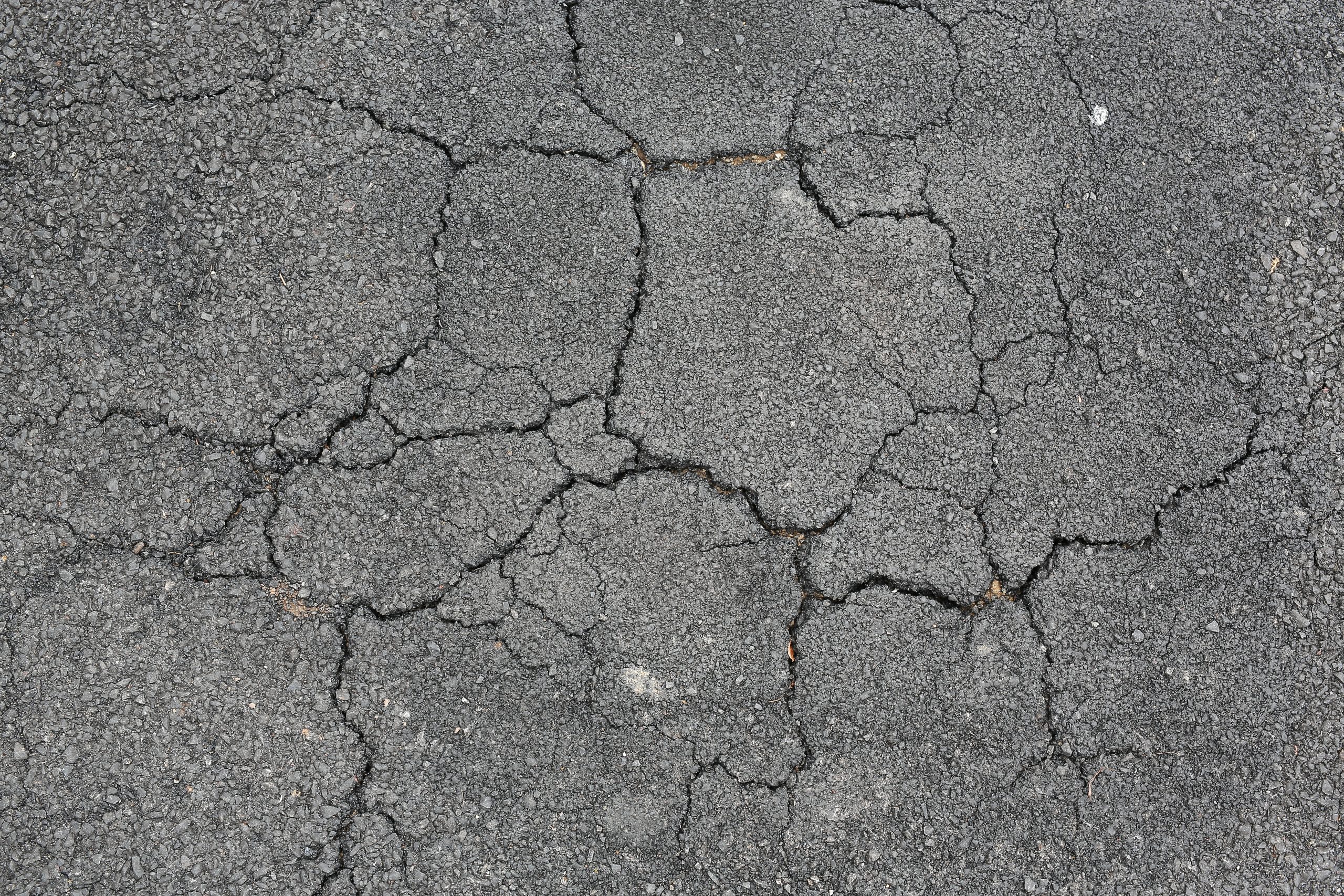
Water finds its way into tiny surface openings. When temperatures drop, that water freezes and expands. As it warms, it thaws and contracts. This repeated cycle acts like a wedge. Hairline cracks grow a little wider. The bond between asphalt binder and aggregate weakens. The damage can be too small to notice in January, then look obvious in March when the surface dries out and the sun returns. This freeze and thaw process is the number one reason lots look older after winter.
Water and Drainage Turn Minor Flaws Into Visible Wear
Even if your lot drains well, some meltwater will sit in low spots near curbs and seams. Standing water softens the surface, pushes fines out, and leaves faint stains. If drains are partially clogged with sand from snow operations, puddles linger longer and extend the wet time on the pavement. Saturated base layers can also shift slightly, which may create new shallow dips that were not there in the fall.
Salt and Deicers Speed Up Surface Wear
Salt helps keep your site safe, but it can dry out the asphalt binder at the surface. Over time, this leads to raveling where small stones detach and the top looks rough. Some liquid deicers can track into cracks and pull more moisture into the pavement. The result is a dull, gritty look after winter even without a distinct crack or pothole.
Snow Plow Contact Leaves Light Scars
Most plow operators do a great job, yet even careful passes can scuff the surface. Metal edges scrape off fine aggregate and nick raised seams or manhole collars. The marks may be shallow and harmless at first, but they change the look of the lot and speed up oxidation in those spots.
Oxidation and Sun Exposure Fade Color
Cold, bright days with dry air let UV light break down the asphalt binder on the surface. The rich black color turns gray. This fading does not mean the pavement failed, but it does make every small flaw easier to see. The combination of fading and scuffing is why a lot can look several years older after one winter.
Thermal Movement Opens Joints and Cracks
Asphalt shrinks in the cold. Joints and cracks that looked tight in summer open up in winter. You may notice that problem areas appear bigger in February and then settle a bit later. This movement is normal, but it can pull more debris into gaps and cause edges to chip when traffic passes over them.
Base and Subgrade Heaving
Frost can lift areas where the base is thin or wet. When the ground thaws, those areas do not always return to the exact same level. The change may be small, but even a quarter inch of movement can create a visible bump or dip. That movement is enough to catch plow edges or trap meltwater.
Pavement Markings Wear Faster in Winter
Snowplows, salt, and tracked-in sand act like sandpaper on striping. The paint and thermoplastic markings lose brightness quickly in winter. When the lines fade, the whole lot looks poorly maintained even if the asphalt is still in fair condition.
Common Spring Signs That Make Your Lot Look Worse
- Dull gray color replacing the deep black surface
- Hairline cracks that look wider than last fall
- Raveling where fine stones are loose at the surface
- Shallow scuffs or scrape marks from winter plowing
- New low spots that hold water after snowmelt
- Edges near grass or curb lines that crumble
- Seams at patch joints and utility cuts opening slightly
- Drain inlets with minor settlement around the frame
- White salt stains and surface streaking
- Old patches that look shiny or bleed when warming up
- Faded parking stall lines and traffic arrows
- Small lip or step at sidewalk ramps due to frost heave
What To Do In Early Spring
- Walk your site after a rain. Note any standing water, slick spots, or new dips.
- Photograph and mark areas with chalk paint. Simple photos help track changes and plan repairs.
- Measure representative cracks. Mark typical widths to guide the right sealant selection.
- Schedule a spring sweep. Remove sand and debris so you can see the true surface condition.
- Check drain inlets and catch basins. Clear blockages and look for settlement around the frames.
- Inspect curb lines and edges. Edge failure spreads fast if water keeps getting under the mat.
- Review high traffic lanes and loading zones. Look for rutting or flushing where heavy trucks turn.
- Evaluate past patches and joints. Note any joint opening or edge fraying for targeted repairs.
- Plan striping updates. Faded markings reduce safety and make the site look neglected.
- Ask for a professional assessment. A contractor can separate cosmetic wear from structural issues.
- Build a phased budget. Address safety first, then protect the rest with maintenance.
Best Options For Commercial Asphalt Repair Wisconsin
Spring is the ideal time to address winter wear before summer heat makes defects worse. If you need commercial asphalt repair Wisconsin, Asphalt Contractors offers a full set of solutions for every level of damage, from small cracks to structural fixes. Our team will help you select the right repair at the right time so you get the best long term value.
Crack Sealing
Crack sealing is the fastest way to stop water from getting under your pavement. We clean the cracks, route if needed, and install a hot rubber sealant that stays flexible through Wisconsin temperature swings. Spring crack sealing prevents spring rains from feeding freeze and thaw cycles next winter. It also slows raveling along crack edges. Aim to seal when the pavement is dry and temperatures are moderate.
Infrared Asphalt Repair
Infrared repair blends new asphalt with your existing surface for seamless patches. It is great for shallow potholes, birdbaths, and open seams. The method reduces cold joints and keeps the original look of the lot. It is efficient for scattered small defects and helps restore a uniform surface before sealcoating.
Mill and Patch
For areas with deeper damage, milling removes the failed layer cleanly. We then install new hot mix from our own plant for a high quality patch. Milling is ideal for utility crossings, loading dock lanes, or repeated plow-damaged sections. The precise depth control gives you a flat, smooth finish.
Base Repair and Undercut
If dips, pumping, or chronic puddles point to a weak base, surface fixes will not last. Our crews can undercut and rebuild base layers, improve drainage, and tie the patch back into sound pavement. Addressing base issues eliminates repeat failures and improves structural life.
Sealcoating
Sealcoating restores color and shields the surface from oxidation, salt, and UV. It also fills microvoids and slows raveling. In Wisconsin, sealcoat timing matters. We wait for proper temperatures and dry conditions to ensure a durable finish. After sealcoating, fresh striping will make your property look new again.
Overlay or Resurfacing
When wear is widespread but the base is still strong, an asphalt overlay delivers a big improvement at a lower cost than full reconstruction. We handle profile milling at transitions, raise utility castings, and install a smooth, compacted wear course. This upgrade removes many signs of winter aging in one step.
Full Depth Reclamation
For pavements with severe structural issues, full depth reclamation recycles your existing asphalt and base in place. We pulverize, stabilize, and regrade the base, then pave a new mat. Asphalt Contractors owns the right milling and pulverizing equipment to do this efficiently, with traffic friendly staging.
Striping and Traffic Control
Fresh markings improve safety and curb appeal. We can re-layout faded lots for better traffic flow and ADA compliance. Clear lines reduce confusion during winter storms and make plowing safer for your operator.
How To Prevent The Same Problems Next Winter
- Seal cracks every year or two so water stays out of the base.
- Sealcoat on the right cycle to slow oxidation and raveling.
- Keep drains and inlets clear before freeze. Clean leaves and sand in fall.
- Use plow shoes or rubber edges near high points and joints.
- Stage snow storage in low risk areas away from fragile edges.
- Apply salt wisely. Calibrate spreaders and avoid excess application.
- Sweep sand after storms so it does not grind into the surface.
- Protect edges with proper shoulder support and clean cuts at transitions.
- Schedule a pre-winter inspection with Asphalt Contractors to catch small issues early.
- Plan phased repairs so you always enter winter with sealed cracks and sound patches.
Why Asphalt Contractors Is The Right Partner
Asphalt Contractors Inc., based in Union Grove and serving Southeast Wisconsin, has delivered dependable paving and maintenance since 1979. Our team handles everything from small repairs to full site reconstruction. We manufacture our own asphalt, which gives our clients consistent quality and reliable scheduling. When you need commercial asphalt repair Wisconsin, working with a contractor that controls the mix and the equipment matters. It means fewer delays and better results.
We serve Racine, Kenosha, Walworth, Waukesha, and Milwaukee counties. Our crews use top tier equipment for paving, milling, pulverizing, and crushing. We pair that with certified expertise and a process built around your site’s needs. Offices, retail centers, healthcare sites, schools, industrial parks, and property managers trust Asphalt Contractors to keep their lots safe and attractive.
Our Process For Commercial Asphalt Repair
- Consultation. We discuss your goals, traffic patterns, and budget.
- Site Assessment. We walk the lot, measure defects, and review drainage.
- Testing. If needed, we take cores or proof roll areas to check base strength.
- Plan and Estimate. You receive a clear scope with options and phasing.
- Traffic Management. We stage work to keep your business open and safe.
- Execution. Our crews complete repairs with attention to detail and quality control.
- Final Walk Through. We review the work and explain maintenance steps.
- Ongoing Care. We set reminders for crack sealing, sealcoating, and striping.
Industries We Serve
- Retail and shopping centers
- Medical and healthcare campuses
- Industrial and logistics facilities
- Education and municipal sites
- Multifamily communities and HOAs
- Office parks and mixed use developments
FAQs About Winter Wear And Spring Repairs
- Q: Why does my lot look older each spring even if we never see big cracks? A: Winter reveals surface wear. Freeze and thaw cycles, salt, plow scuffs, and UV fading make small flaws stand out. Early spring maintenance keeps these from turning into real damage.
- Q: Should I sealcoat right after winter? A: Sealcoating works best when temperatures are warm and dry. We often perform crack sealing and patches in early spring, then sealcoat when conditions stabilize.
- Q: Will crack sealing fix everything? A: Crack sealing protects your base and is the most cost effective first step. You may still need patches or an overlay if the surface is worn or the base is weak.
- Q: How do I know if I need an overlay or full reconstruction? A: A professional assessment looks at crack patterns, rutting, base stability, and drainage. If the base is sound, an overlay can add many years of life. If the base is failing, rebuilding is the wiser investment.
- Q: Can I reduce plow damage? A: Yes. Use plow guides, rubber edges near curbs, and set blade height correctly. Keep piles away from weak edges and clean sand quickly after storms.
- Q: Is manufacturing your own asphalt a benefit for my project? A: Yes. It improves mix quality and ensures the right temperature at install. It also helps schedule work around weather windows, which is essential in Wisconsin.
- Q: How fast can you repair a busy commercial site? A: Asphalt Contractors stages work to keep access open. Many repairs happen in off hours or in sections so your operations continue.
Schedule A Free Spring Parking Lot Inspection
Winter makes every small flaw more visible, but that does not mean your pavement failed. A focused spring plan can restore your lot and stop hidden damage from growing. If you are looking for commercial asphalt repair Wisconsin, Asphalt Contractors is ready to help. Since 1979 we have paved, maintained, and repaired properties across Southeast Wisconsin with quality you can see in every pass of the roller.
Contact Asphalt Contractors for a free inspection and maintenance plan. We will walk the site with you, explain what winter did to your lot, and recommend the exact repairs that save you money over time. Let us help your parking lot look its best again and stand up to next winter with confidence.